Guide to Stonehenge winter solstice: Explore traditions & meaning

The winter solstice at Stonehenge marks the shortest day of the year with a sunrise that aligns perfectly through the ancient stones. It’s a tradition filled with meaning, connection, and community. Want to know how it works and what it feels like? Keep going.

Why is the winter solstice at Stonehenge special?

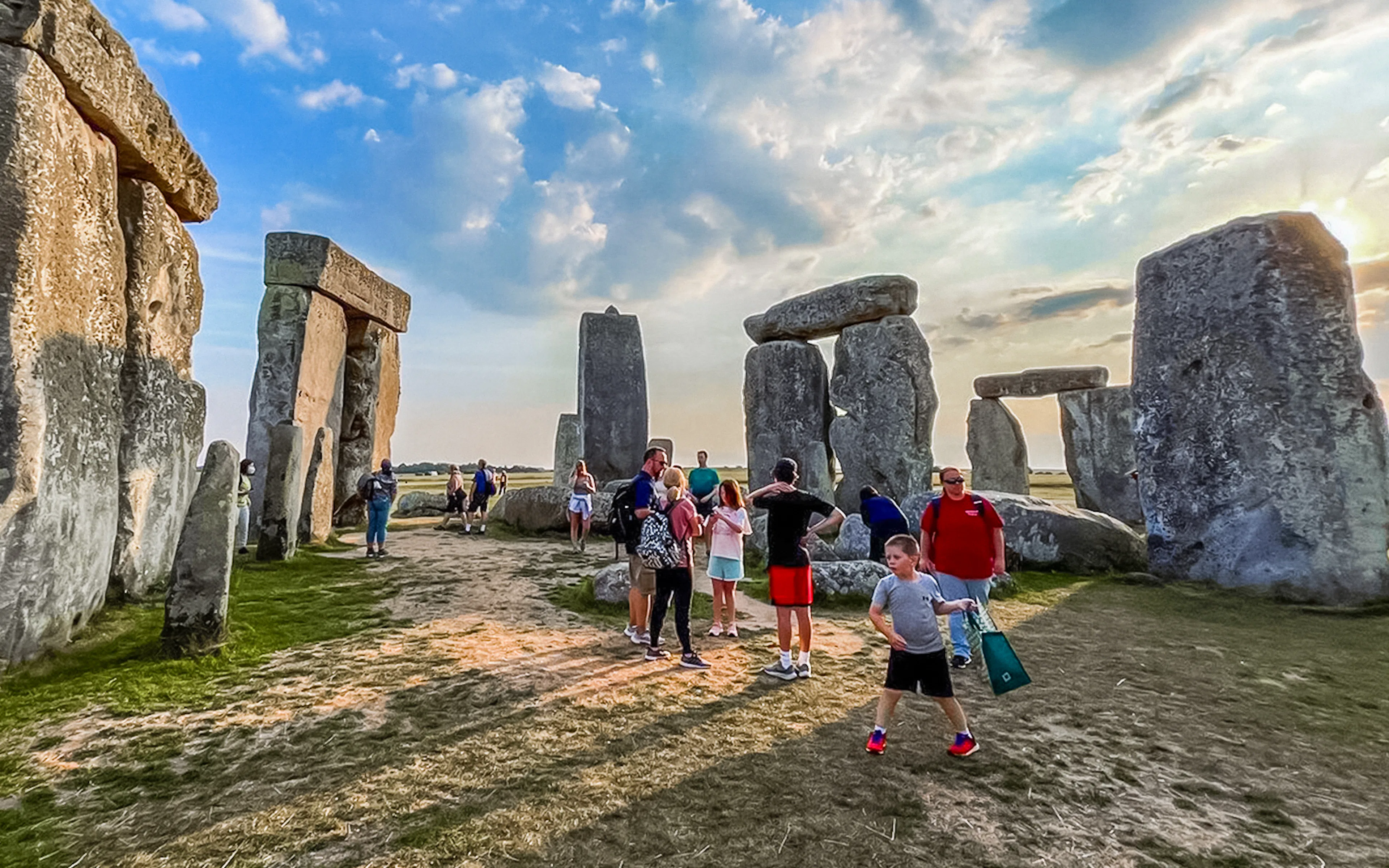
Crowd gathered at Stonehenge for Winter Solstice celebration.
  • Ancient alignment: Stonehenge is carefully aligned with the setting sun of the winter solstice, marking the year’s shortest day in a strikingly precise architectural design.
  • Neolithic intentions: Archaeological studies suggest its builders intentionally designed the monument to track solar events, linking Stonehenge directly to seasonal cycles and agricultural planning.
  • Druid significance: Modern-day Druids gather here to honour their spiritual connection to nature, celebrating rebirth and renewal on this powerful turning point of the year.
  • Pagan traditions: Pagans consider the winter solstice a sacred time, often marking it with rituals, blessings, and moments of stillness within the stone circle.
  • A living ritual: Today’s celebrations mix ancient reverence with modern community spirit, blending chants, silence, and shared sunrise moments in a powerful annual tradition.
  • Human connection: The solstice gathering isn’t just visual. It’s emotional. Standing among others at sunrise creates a shared moment that feels both ancient and personal.

What happens during the Stonehenge winter solstice?

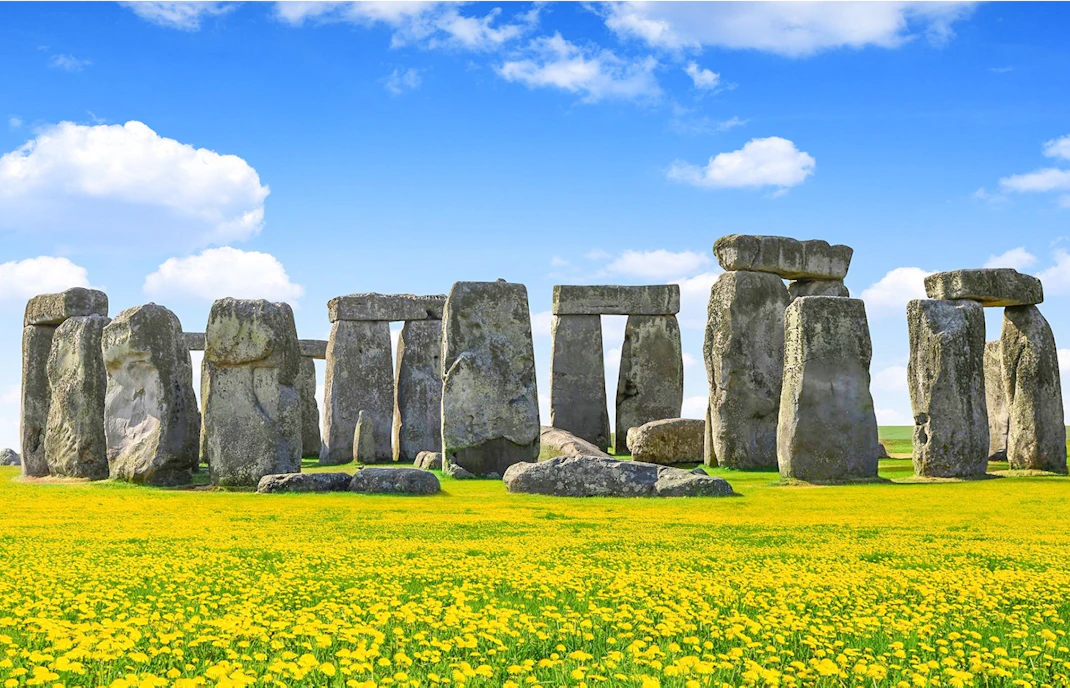
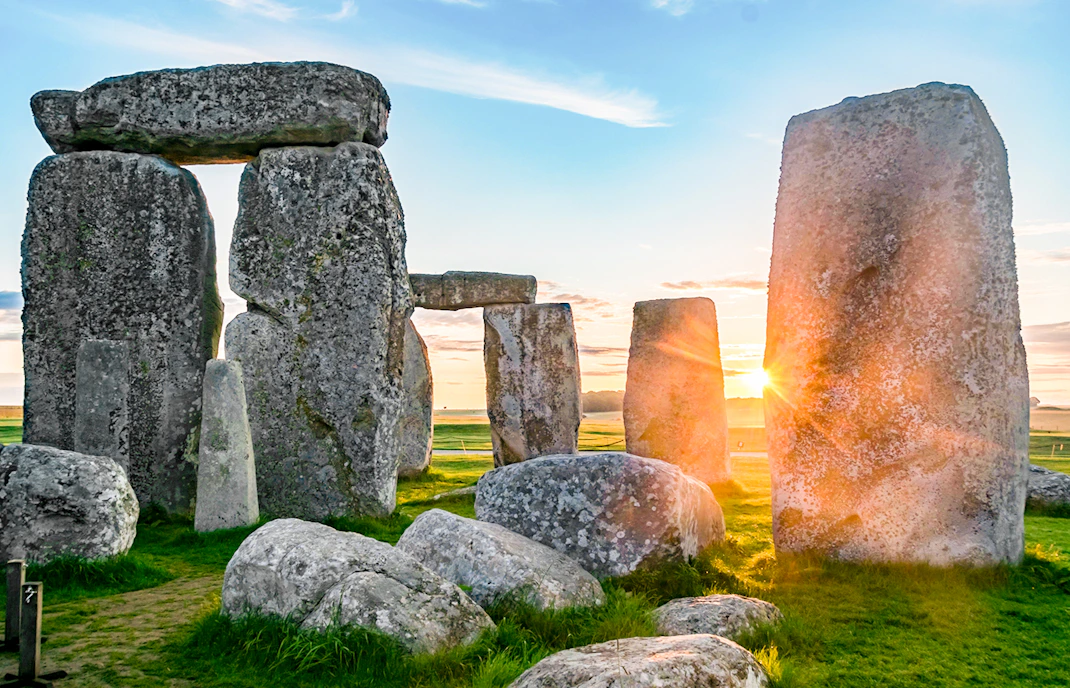
Stonehenge at sunset with sun rays through the stones, Wiltshire, England.
Crowd gathered at Stonehenge for Winter Solstice celebration.
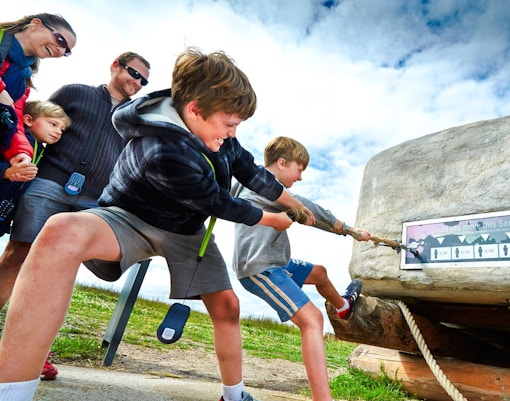
Visitors exploring Stonehenge in London, standing near ancient stone structures.
Stonehenge aerial view with tourists on a path, part of a half-day tour from London.
1/4

Sunrise and the key moment

On December 21, 2025, the sun is expected to rise at 8:06am, aligning perfectly through the centre of Stonehenge’s tallest stones. This moment marks the return of longer days and has been celebrated here for thousands of winters.

Rituals and ceremonies

Modern Druids and Pagans gather for blessings, chants, and meditative moments that honour the returning light. Rituals may include symbolic offerings or fire ceremonies, rooted in spiritual renewal and ancient seasonal cycles tied closely to the land and sky.

The gathering atmosphere

It’s peaceful, moving, and deeply communal. Wrapped in warm clothes, people stand together in quiet reflection, sometimes exchanging smiles or soft words. The silence during sunrise feels sacred, balanced by a calm, welcoming energy that makes even newcomers feel connected.

Music, robes, and celebration

You may hear soft drumming or gentle chants drifting through the crowd. Some wear robes or cloaks inspired by Druidic or Celtic traditions. While it’s not loud or dance-heavy, a few expressive movements and rituals bring the moment quietly to life.

Midwinter feasts

Midwinter celebrations are nothing new. People of many cultures and religions have been feasting at this time of year for thousands of years. It’s no coincidence that Christmas falls close to the midwinter solstice, the shortest day of the year. From then on, the days become longer and warmer, and this is a cause for celebration, with huge amounts of food!

Durrington Walls is a Neolithic settlement about two miles away from Stonehenge. Archaeologists think the people who built and used Stonehenge lived here around 2500 BC. Recent excavations revealed over 38,000 discarded pig and cattle bones.

Archaeologists discovered that these animals were probably killed when they were around nine months old. They would have been born in the spring, so it would seem that these pigs and cattle were slaughtered during the winter solstice.

Winter solstice vs. summer solstice

stonehenge winter solstice tour

Winter Solstice at Stonehenge

  • Sunrise moment: On December 21, sunrise at 8:06 AM shines through the stone circle’s centre, marking the symbolic return of light after the year’s darkest day.
  • Rituals and meaning: Druids and Pagans lead quiet blessings, chants, and meditations, creating a deeply spiritual space focused on renewal, nature, and the turning of the seasons.
  • Atmosphere and crowd: The crowd is smaller and more reflective, sharing silent moments, warm smiles, and quiet connection in an atmosphere that feels personal and profoundly peaceful.
  • Traditional touches: Expect Celtic robes, subtle music, and occasional ritual dances, all echoing ancient midwinter customs that honour the rhythm of the land and sky.
Stonehenge at sunrise with a visitor silhouetted, part of the Stonehenge Express Tour from London.

Summer Solstice at Stonehenge

  • Sunrise moment: On June 21, sunrise occurred at 4:51am, rising from behind the Heel Stone, flooding the stone circle’s centre with golden light in a dramatic spectacle.
  • Rituals and energy: Crowds join Druids, Pagans, and musicians for sunrise ceremonies, energetic chants, and dancing that feel both celebratory and grounded in ancient ritual.
  • Atmosphere and crowd: Around 25,000 people gather in a lively, festival-like atmosphere with drums, torches, and music, blending celebration with ancient tradition and spiritual presence.
  • Tradition and management: The event is free and open, with English Heritage managing access, keeping things safe and respectful inside one of Britain’s most sacred sites.

Key info to know before you go

stonehenge winter solstice tour

The Winter Solstice sunrise at Stonehenge in 2025 is expected around 8:06am on December 21. English Heritage usually opens access to the monument early, from around 7am. Arrive by 6:30am to allow time for walking from the parking area and finding a good spot within the stone circle.

  • Most tours depart central London at approximately 4am on December 21, depending on the access time at Stonehenge. 
  • The tours allow you to spend 2-3 hours inside the circle and witness the sun rising and the Druid ceremony, and the festivities. 
Stonehenge stones at sunrise during a full-day tour from London.
  • Stonehenge is closed on Christmas Day (December 25).
  • However, there are several Stonehenge Christmas tours run by various operators on Christmas Eve.
  • Some tours also include a luxurious Christmas Day lunch with a visit to nearby cities like Bath and Windsor. Note that these tours do not stop at Stonehenge and simply drive past.

Driving is the most flexible option, but parking near Stonehenge is restricted on solstice morning. A designated car park opens early, with shuttle services to the monument. Public transport is limited at this hour, so plan well in advance or consider joining a guided tour with arranged transfers.

Tourists exploring the inner circle of Stonehenge at sunset.

Yes, the winter solstice is one of the rare occasions when visitors are allowed inside the stone circle. The area is open to the public for a few hours around sunrise. There are no barriers or platforms, but respectful behavior is expected throughout the gathering inside the monument.

Tourists exploring the inner circle of Stonehenge at sunset.
  • Stonehenge is a World Heritage Site, a Scheduled Ancient Monument, and is seen by many as a sacred place. We ask that all those attending respect it and those celebrating around it. 
  • Do not climb or stand on any of the stones – this includes the stones that have fallen. This is for your own safety and also to protect this special site and respect those around you.
  • Amplified music in or around the monument field is prohibited.
  • Alcohol is not allowed within the monument or monument field; it will be confiscated, and those in possession may be asked to leave.
  • Drunken, disorderly, and antisocial behaviour will result in removal by security or police.
  • Illegal drugs are prohibited; the police will take action against offenders.
  • No glass items, blades, or sharp objects are permitted into the Monument Field.
  • Drones or remote-controlled flying devices are not permitted.
  • Only small bags are allowed on entry. Security searches may be conducted, with illegal items confiscated and entry refused.
  • Camping is not permitted at Stonehenge, and sleeping on the ground is a trip hazard that can interfere with the work of the emergency services.
  • Chairs are permitted for visitors who need them. Please make sure the chair is designed for outdoor use and place it on an area of level ground, at least 2 meters away from any of the standing or fallen stones. Please ensure that chair legs are not driven into the ground.

Visitor tips

  • Stonehenge is usually roped off. You can observe the stones from a distance, and they are not permitted within the temple complex. However, the 'Winter Solstice' tours allow you to be amongst the stones before the site is open to the general public. Since these tours are popular and limited on a first-come, first-served basis, it’s best to book them in advance.
  • Visiting Stonehenge for the Solstice from London would be virtually impossible by public transport, so book a tour with round-trip transfers. While Stonehenge has a car park (costs £5), the car park is usually at full capacity. These tours are designed for people staying in London without their own transport and offer great value with a guided tour on the coach. 
  • Check the exact opening time on English Heritage’s official page the night before, as it can change slightly based on conditions or operational plans.
  • There may be a 20- 30 min walk to the monument, so bring a torch!
  • It’s worth asking around which stone the sun will peak through if you’re not sure. This is the spot for the best solstice photo.
  • An enormous horn marks the beginning of the event. Find a spot where you can see the centre-right of the heel stone, and look towards the sun through the narrow opening.
  • Wear thermal socks and waterproof footwear, as the open field can get muddy and very cold with limited places to stand off the grass. It’s also worth packing a water bottle, your camera, a selfie stick, and gloves.
  • Bring a headlamp instead of just a phone torch to keep your hands free while walking the dark path from the car park to the site.
  • Most mobile networks have weak signals on-site, so screenshot key info like sunrise time, shuttle pick-up point, or meeting place before arriving.
  • Bring a vacuum flask with something warm to drink. Since food and drinks are not usually included in the tours or available on the field during the early morning access, bring a quick bite with you. You can also buy food at the rest stops on your tour.
  • If travelling by car, research alternate routes ahead of time. Local road closures near the site are common, even for non-event traffic.
  • The monument field is very exposed, so dress in layers with a windproof outer shell and something dry to sit on if needed.
  • Book nearby accommodation early, especially in Salisbury or Amesbury, as places fill up quickly due to the limited availability during the winter solstice week.

Other things to do around the solstice

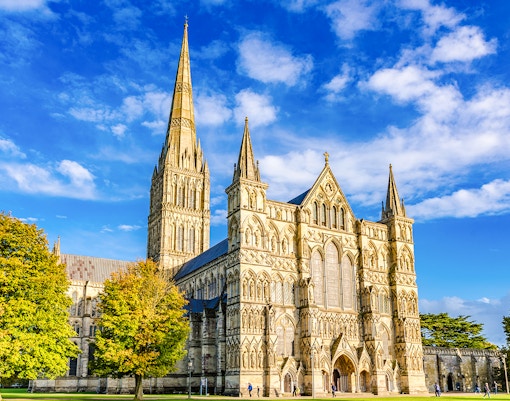
Salisbury Cathedral interior with vaulted arches and stained glass windows.

Visit Salisbury Cathedral

Just 12 miles from Stonehenge, Salisbury Cathedral offers guided tours, soaring Gothic architecture, and one of the four surviving Magna Carta manuscripts. You can also climb Britain’s tallest spire for countryside views or enjoy peaceful cloisters and solstice-themed music events held during the December weekend.

Book tickets
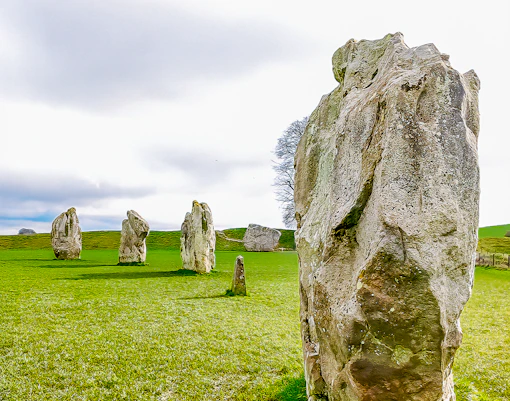
Avebury stone circle in a green field, part of a full-day tour from London.

Explore Avebury Stone Circle

About 25 miles away, Avebury is a massive Neolithic stone circle where you can walk freely among the stones and surrounding ditches. The village setting, National Trust museum, and nearby Silbury Hill make it a quieter but equally atmospheric solstice destination with year-round open access.

Book tickets
Visitors at Stonehenge visitor center during London to Stonehenge and Bath day trip.

See the Stonehenge Exhibition

Right by the visitor centre, the English Heritage Exhibition offers a deep dive into Stonehenge’s history with artifacts, life-size reconstructions, and multimedia displays. It is an ideal stop before or after sunrise to understand the monument’s construction, beliefs, and the Neolithic world that shaped it.

Know more

Frequently Asked Questions about Stonehenge winter solstice

How early do people start arriving at Stonehenge for the solstice sunrise?

Some arrive as early as 5am to secure a good spot and avoid traffic build-up. Earlier arrival usually means smoother access and shorter queues.

What’s the difference between the main solstice access and regular Stone Circle Experience visits?

The solstice offers open, communal access without guides or timeslots. The Stone Circle Experience is a small group visit, booked in advance, outside public hours.

Are there any restrictions on what items I can bring into the monument field?

Yes, large bags, alcohol, and camping equipment are not permitted. Security checks are in place, so pack light and bring only essentials like water, layers, and a torch.

Is photography allowed during rituals or ceremonies inside the stone circle?

Photography is allowed, but you should avoid using flash during ceremonies or pointing cameras directly at groups performing spiritual rituals out of respect.

Can I bring my dog to the Stonehenge solstice gathering?

No, dogs and other pets are not allowed at the solstice event unless they are registered assistance animals. This helps preserve safety and respect the setting.

Will the Stonehenge shuttle service run during the solstice event?

No, the usual visitor shuttle does not operate during the early morning solstice access. Visitors walk from the designated parking area to the stones.

Are there any local solstice-themed events happening around Stonehenge that day?

Yes, Salisbury Cathedral and local community groups often host solstice concerts, meditations, or talks in the days surrounding the winter solstice.

What happens if the weather is cloudy or rainy during the solstice sunrise?

The event still goes ahead regardless of weather. Even without a clear sunrise, people gather to honour the moment with rituals, reflection, and community.

Will I still be able to access the Visitor Centre during the solstice event?

The Visitor Centre opens after the solstice sunrise. Early morning access to the stones is separate and does not include full visitor facilities.