The visitor centre near Stonehenge prepares you before you reach the stones. Exhibitions combine multimedia displays, archaeological finds, and reconstructed settings to explain how the monument was built and why it mattered to prehistoric communities.
Stonehenge highlights I Key features explained
Stonehenge is more than a circle of ancient stones. It’s a place where prehistoric design meets astronomical precision, surrounded by burial mounds and sweeping plains. From the engineering behind the sarsens to the seasonal alignments, every part of the site reveals something about ancient beliefs, ritual, and innovation. Let’s take a look at all the significant Stonehenge highlights!
Key Stonehenge highlights
1/4
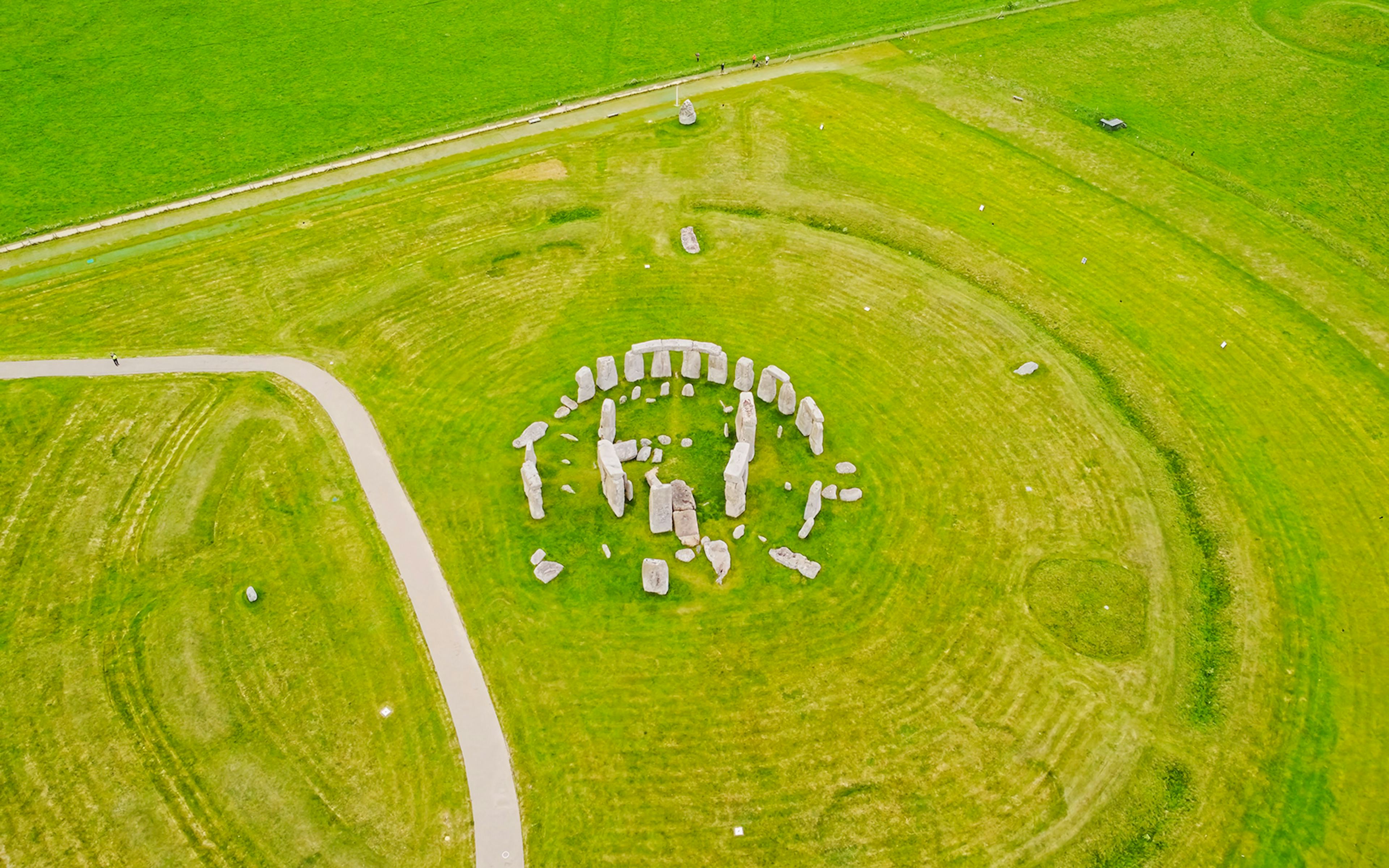
The Stone Circle
This world-famous ring of stones stands at the heart of the site, carefully positioned to align with the midsummer sunrise. Built using sarsens from nearby and bluestones from Wales, it reflects incredible planning, teamwork, and an early understanding of the movements of the sun.
The Heel Stone and the Avenue
The Heel Stone stands just outside the main circle, perfectly framing the summer solstice sunrise. It connects to the Avenue, a long, ceremonial path that once guided people into the heart of the site during important seasonal events and community rituals.
The Station Stones and Earthworks
The Station Stones are easy to miss but reveal a lot. Tucked around the edge, they form a near-rectangle and reflect early astronomical tracking, especially of the moon. They sit within ancient ditches and banks, revealing how geometry and astronomy shaped the planning of this ceremonial landscape.
The Stonehenge landscape
To fully appreciate Stonehenge, explore its surroundings. Durrington Walls was likely home to those who built the circle. The Cursus’s purpose remains mysterious. Scattered burial mounds hint at long-term use and remembrance across this now-silent, but once-busy ceremonial landscape.
Highlights of the Stonehenge Visitor Centre
This spot is your gateway to understanding Stonehenge, with interactive exhibitions, original relics, and life-size Neolithic homes built using ancient building techniques.
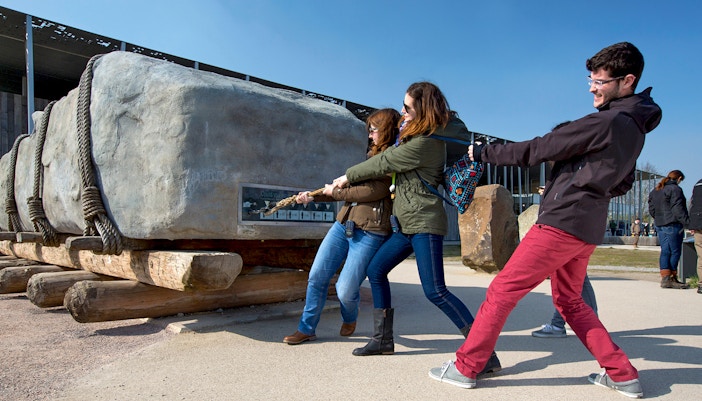
Interactive introduction to the monument
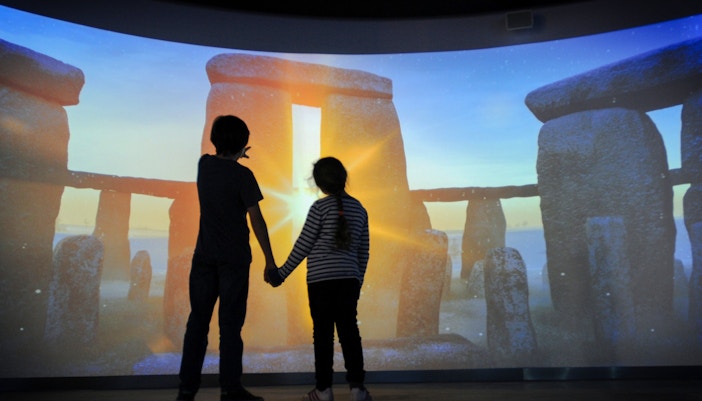
Immersive projection experience
A circular projection room places you visually inside the stone circle. Surround screens recreate changing skies, shifting seasons, solstice sunlight, drifting mist, and moonlit nights, helping you understand how the monument interacts with light throughout the year.
Original archaeological discoveries
Glass cases display genuine artifacts uncovered from the surrounding landscape, including stone tools, decorated pottery fragments, and cremation remains. These objects provide direct evidence of the people who built, used, and gathered around the monument thousands of years ago.
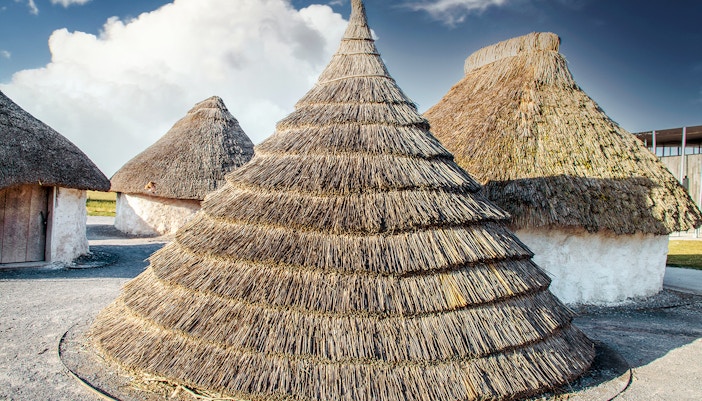
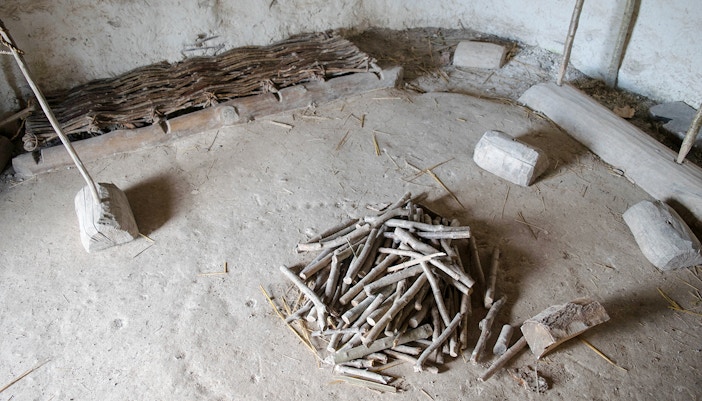
Reconstructed Neolithic houses
Outside, full scale Neolithic homes built using ancient techniques show how nearby communities once lived. Based on excavations at Durrington Walls, these structures reveal domestic life, building methods, and everyday survival in prehistoric Britain.
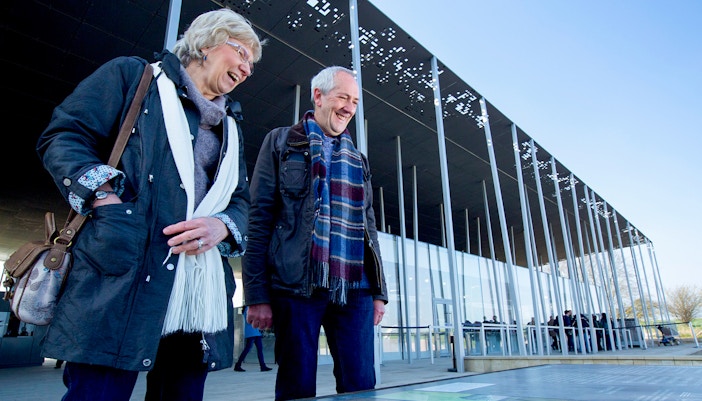
Archaeology and timeline gallery
A dedicated exhibition hall explains how the site developed over centuries. Clear timelines, landscape maps, and research findings show the different construction phases and how archaeological interpretations have evolved through ongoing study.

Café and heritage shop
The café offers locally sourced meals and warm drinks, useful before or after your walk to the stones. The gift shop stocks research based books, carefully made replicas, and souvenirs connected directly to the monument’s history.
Best viewing points and photo spots
- Heel Stone framing: Stand near the Heel Stone to frame the stone circle behind it. It adds foreground interest and highlights the solstice alignment in photos.
- North-East path: From the north-east approach path, you get a full side view of the stones. Ideal for wide-angle shots capturing depth and symmetry.
- South Barrow viewpoint: Head towards the barrow mounds south of the circle for a slightly elevated perspective showing the monument in its broader ceremonial landscape.
- West of Circle: Walk the western perimeter path for softer afternoon lighting. Shadows highlight the textures of the sarsens and emphasize their massive scale beautifully.
- Visitor shuttle view: The shuttle ride offers fleeting but unique angles. Sit on the left when departing the Visitor Centre for the clearest view during arrival.
- Stone Circle zoom: Use your camera’s zoom lens from the closest public path to isolate trilithons or capture alignment shots without crowd interference or barriers.
- Sunrise mist moments: Arrive early during autumn or spring for soft morning mist. The haze softens the stones and creates a moody, ethereal photograph.
- Golden hour lighting: Evening light during golden hour casts long shadows and warm tones across the stones. Best captured from the south-east side looking northwest.
- Solstice vantage: If visiting during solstice events, position yourself near the Avenue for the most dramatic silhouettes against the rising or setting sun.
Seasonal highlights and events
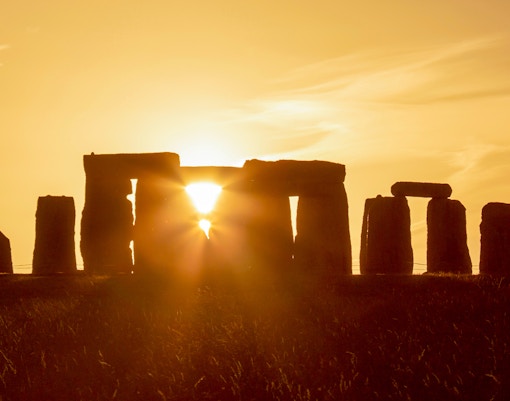
Summer Solstice
The summer solstice at Stonehenge marks the longest day of the year. Thousands gather to witness sunrise directly behind the Heel Stone, recreating an ancient alignment that still draws crowds, energy, and emotional resonance during the early hours of either June 20 or 21.
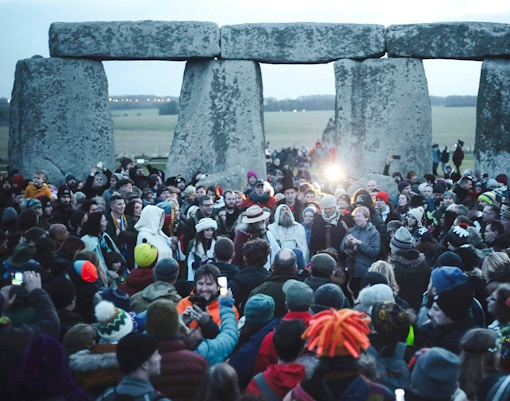
Winter Solstice
During the winter solstice, the setting sun aligns with the central Trilithon, casting a golden glow through the stones. This quieter but equally significant event offers insight into Stonehenge’s spiritual and agricultural calendar during the darkest time of year.
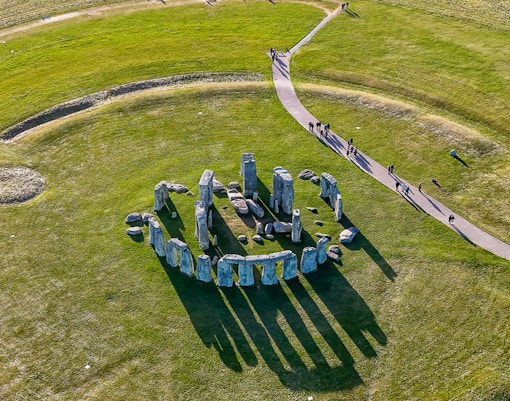
Spring Equinox
The Stonehenge equinox marks the moment when day and night are of equal length. Visitors often gather near the circle to photograph sunrise and honor seasonal balance, capturing soft light and signs of renewal in the surrounding chalk grasslands.
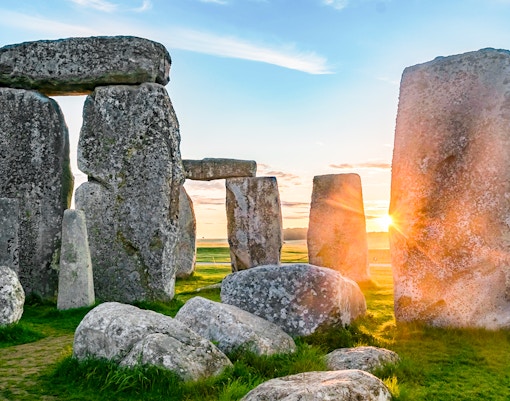
Seasonal atmosphere
Each season reshapes how Stonehenge feels and photographs. Misty mornings in autumn create moody silhouettes, spring flowers add color, summer light enhances detail, and winter’s quiet sky turns the stones into dark sentinels against the horizon.
Visitor tips
- Time your arrival strategically: Instead of simply arriving at opening, check tour bus schedules. Aim for gaps between large group arrivals to enjoy clearer sightlines and quieter viewing conditions.
- Walk the full axis: Position yourself along the Avenue alignment, not just the circular path. It helps you understand how the monument connects visually to the wider landscape.
- Use the shuttle wisely: Take the shuttle first, then walk back. The return walk feels more reflective and lets you absorb burial mounds and earthworks at your own pace.
- Study the horizon line: Pay attention to the low, distant horizon rather than just the stones. The monument was designed in relation to the skyline, not isolation.
- Pause beyond the crowd: Move slightly away from the main viewing cluster. Even a few metres aside can shift perspective and reduce visual distractions in photos.
- Watch the stone joints: Look closely at where lintels meet uprights. The interlocking joints reveal advanced shaping techniques rarely noticed during a quick pass.
- Track changing light: Cloud movement dramatically alters the monument’s appearance. Waiting ten extra minutes can change shadow depth and surface texture completely.
- Visit the centre first: Start at the exhibition before seeing the stones. Understanding construction phases and relocated stones makes the outdoor visit far more meaningful.
- Check ground conditions: Recent rain affects walking speed along grass paths. Factoring this into timing helps avoid feeling rushed before your scheduled entry slot.
- Plan your departure: After your visit, pause at the visitor centre rather than leaving immediately. Let peak traffic clear while reviewing what you just observed.
Frequently asked questions about Stonehenge highlights
Stonehenge is famous for its massive prehistoric stone circle and precise alignment with the sun during solstices.
Yes. Stonehenge’s earliest phase began around 3000 BCE, making it older than Egypt’s Great Pyramid of Giza.
Its exact purpose remains debated, with theories suggesting burial site, ceremonial centre, astronomical marker, or combination of several functions.
No. Visitors must remain on the designated path, with direct stone access limited to special tours and managed events.
Excavations revealed cremated human remains, burial pits, tools, and earlier wooden structures, showing it was part of a wider ritual landscape.
Visitors typically walk about 2.5 kilometres round trip between the visitor centre and stones, though shuttle buses reduce distance.
Stonehenge is owned by the British state and managed by English Heritage, with surrounding land cared for by the National Trust.
Walk the perimeter path first, use the official app’s 3D model or interactive AR features, and ask a guide about the Station Stones and alignments.
Walk about 200 metres up the path leading to the Cursus Barrows. From there, you can see the circle, landscape lines, and visitor routes clearly.
Yes, the bluestones have a different geological origin and were transported from Wales. Their placement reflects ceremonial and symbolic purposes.
Most stones are original, but some were re-erected during restorations in the 20th century. The official guidebook shows which ones were moved.
The Slaughter Stone near the entrance often goes unnoticed. Its flat angle and reddish stains once fueled legends, but its purpose remains debated.
Late afternoon, especially during autumn and spring, when the lower sun casts long, dramatic shadows between the standing stones and across the inner circle.

