
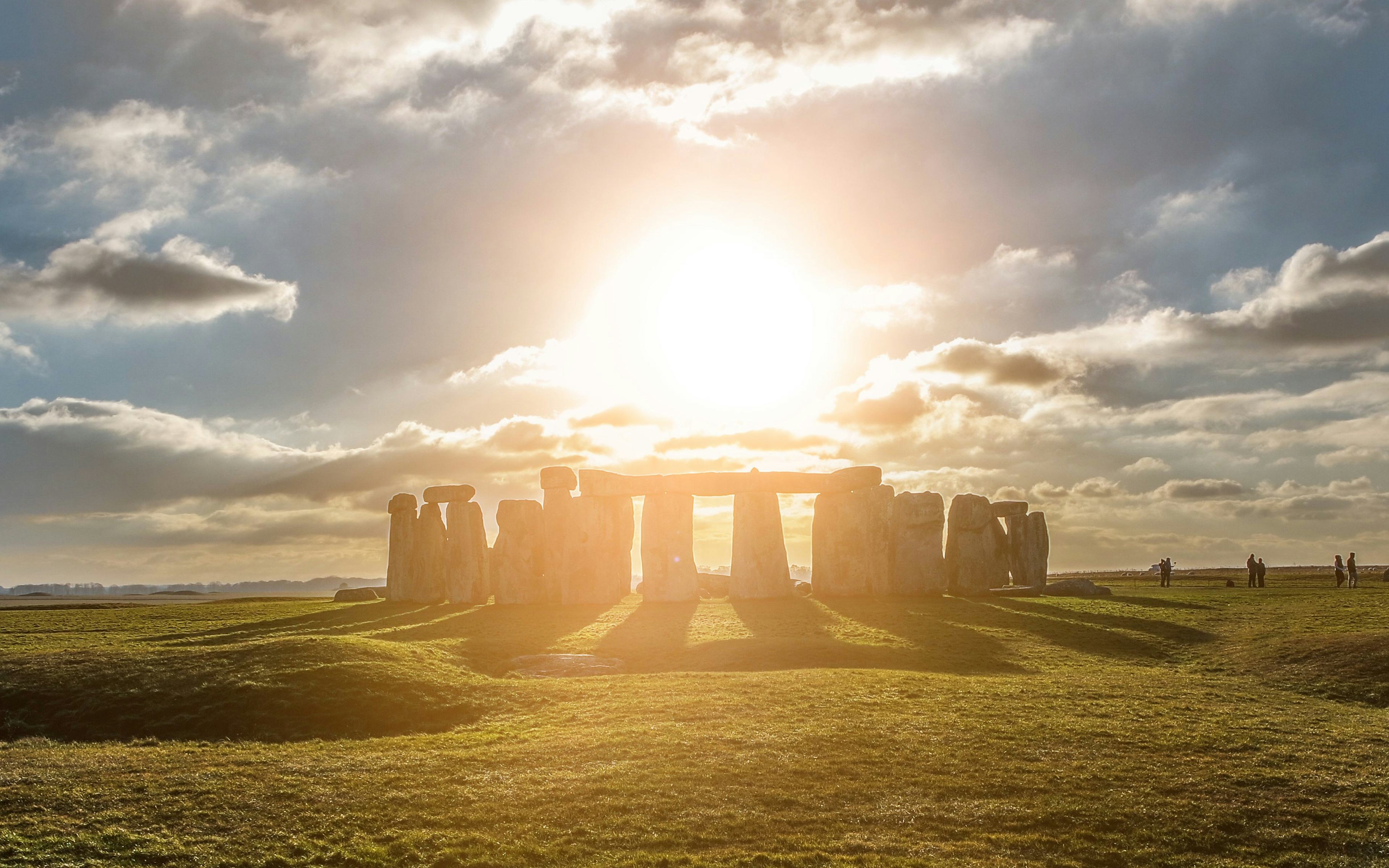
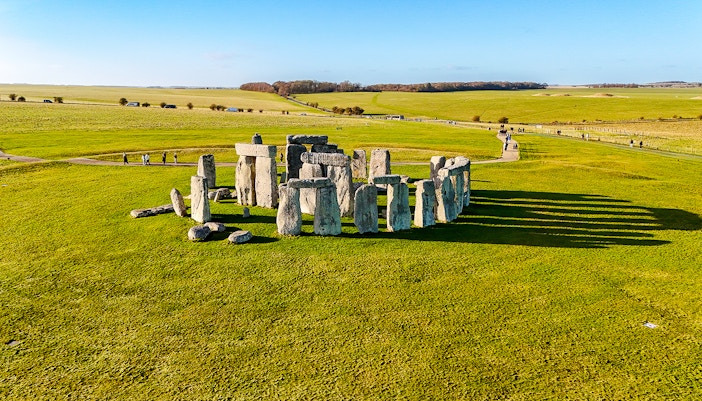
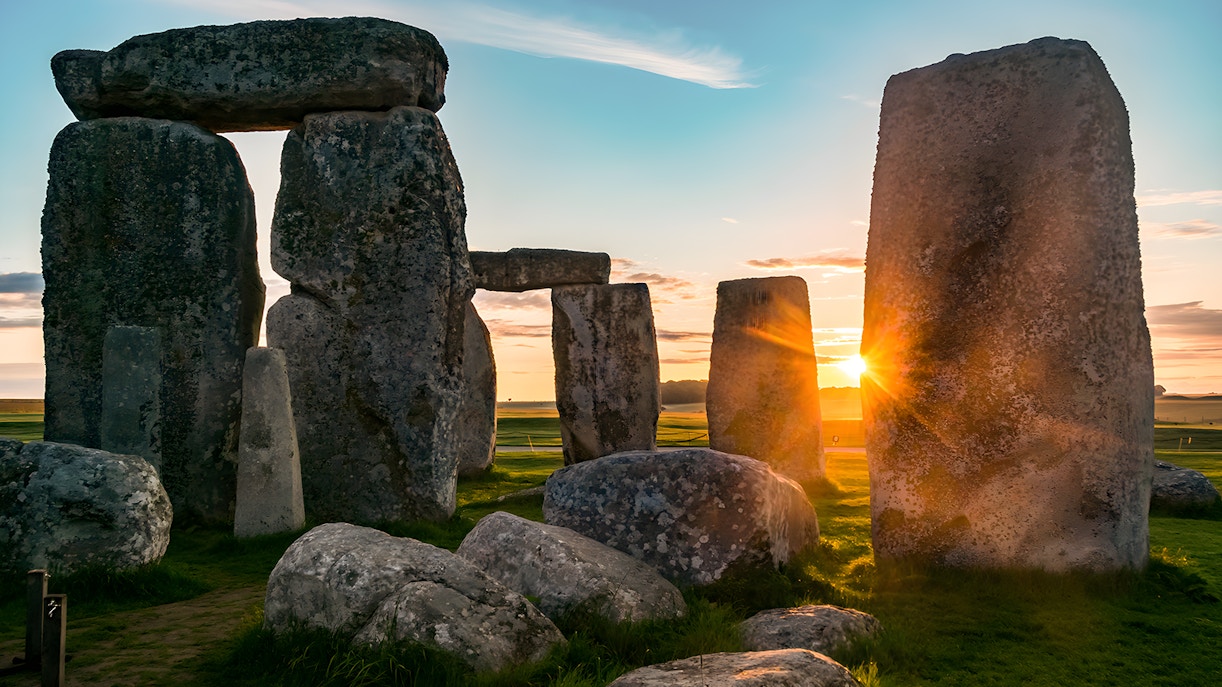
Stonehenge was carefully positioned to follow the movement of the sun. During the equinox, sunlight lines up across the stone circle. For prehistoric communities, this alignment helped mark seasonal change, guiding farming cycles and signalling important moments in the yearly calendar.
Experience the Stonehenge equinox: Spring & autumn sunrise gathering
Witness the ancient alignment of the sun at the stone circle during the Spring Equinox and Autumn Equinox at Stonehenge. Whether you are planning a spiritual visit or looking for direct day tours from London, get complete event details, sunrise times, and reserved entry tickets below.
Dates & sunrise timings for equinox at Stonehenge
| Event | Date | Estimated sunrise | Best arrival time | Access details |
|---|---|---|---|---|
Stonehenge Spring Equinox | March 20, 2026 | 6:05am | 5:15am | Advance booking required |
Stonehenge Autumn Equinox | September 22, 2026 | 6:50am | 6am | Advance booking required |
What happens during the Stonehenge equinox?
1/5
Sunrise gathering
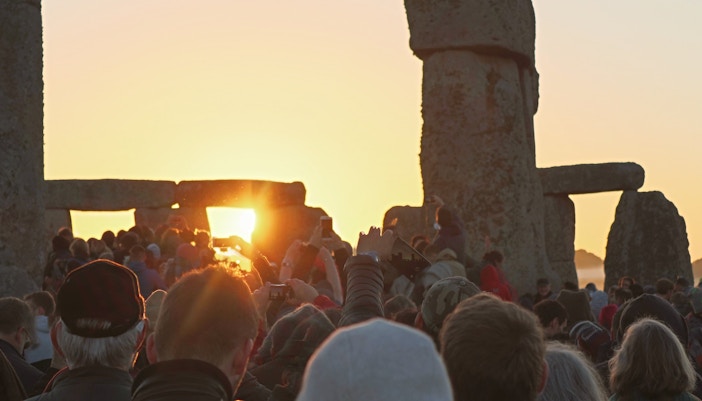
Hundreds gather before dawn on the equinox to watch the sun rise in alignment with the stones. Druids, Pagans, Wiccans, and spiritual seekers celebrate this natural balance through ritual, music, and silent reflection, making it one of Stonehenge’s most atmospheric and symbolic seasonal gatherings.
A shared spiritual experience
For many, attending the Stonehenge equinox is about reconnecting with the earth and with others. The shared experience goes beyond watching the sunrise—people meditate, chant, and express gratitude, fostering a peaceful unity rooted in seasonal symbolism and collective awareness.
Sunrise from inside the circle
Unlike the crowded summer solstice, equinox events offer quieter access, sometimes allowing ticketed visitors to enter the inner stone circle. Standing within the monument as the sun rises along its axis is a rare and powerful experience, highlighting the site’s precision and intentional design.
Celebrating ancient astronomical knowledge
At the equinox, Stonehenge becomes a solar marker. The sunrise lines up with specific points on the monument, revealing the builders’ awareness of astronomical patterns. While the solstice gets more attention, equinoxes were just as essential for early farming and ceremonial life.
Local events and celebrations
Surrounding the main event, local communities organise equinox-themed activities. These include guided walks, art installations, and talks on seasonal cycles. Such celebrations reflect the enduring cultural relevance of Stonehenge as a symbol of renewal, nature connection, and spiritual exploration.
The history and meaning behind Stonehenge equinox
Solar alignment and seasonal tracking
A balance of light and dark
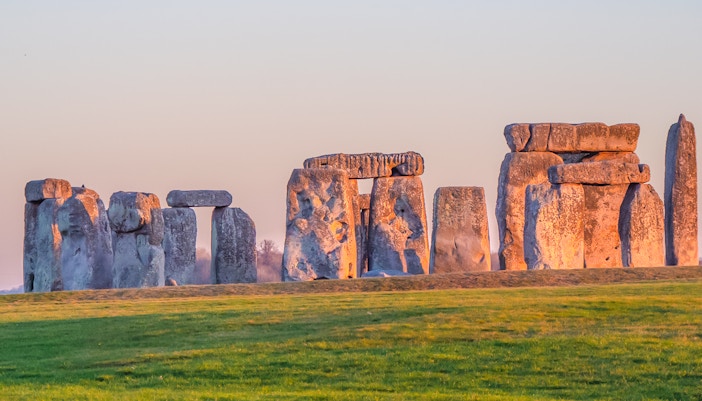
The equinox happens when day and night are almost equal in length. At Stonehenge, this balance would have felt visible and symbolic. It marked a shift in seasons, representing harmony, transition, and the steady rhythm of nature moving forward.
Monument as sky calendar
Archaeologists believe the site worked like a large outdoor calendar. By watching where the sun rose and set against specific stones, ancient observers could identify turning points in the solar year. The equinox was one of those clear markers in that cycle.
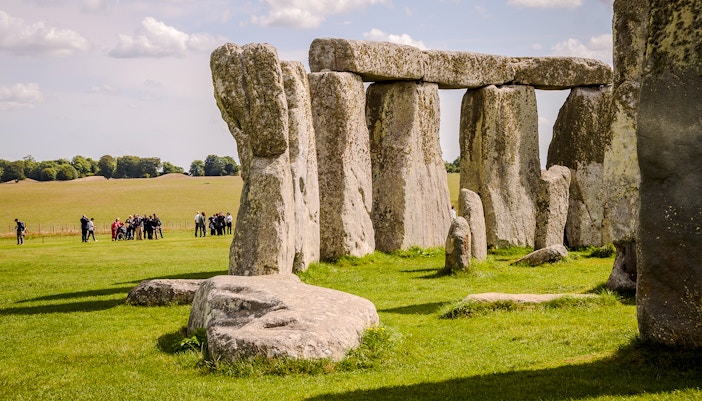
A gathering point in prehistory
Evidence of feasting, burials, and ritual activity suggests people did not simply observe the sky here. They gathered. The equinox may have been a time when communities met, shared food, honoured ancestors, and acknowledged the seasonal shift together.
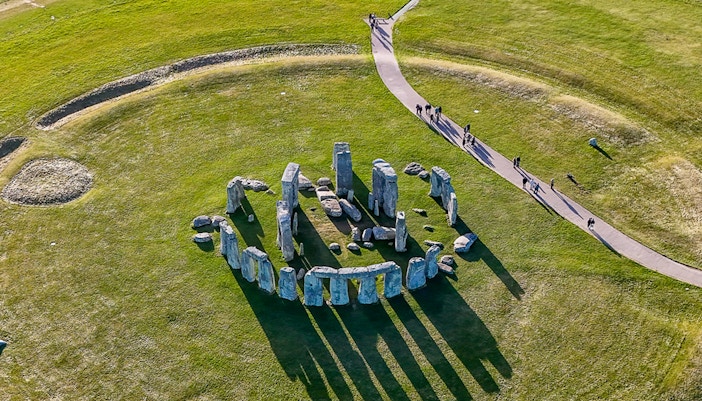
Later spiritual connections
From the 1600s onward, Druids and Pagan groups began linking Stonehenge to equinox gatherings. They viewed the balance of light and darkness as a spiritual moment, connected to ideas of renewal, fertility, and the order of the cosmos.
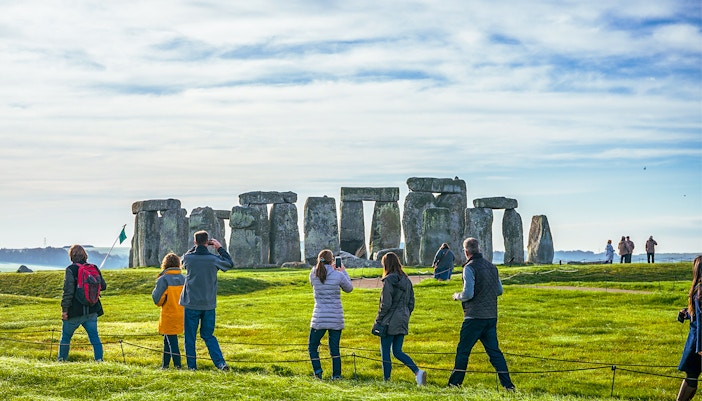
Modern day gatherings
Today, people still gather at Stonehenge during the equinox. Some come quietly to watch the sunrise align with the stones. Others see it as a spiritual or seasonal milestone, continuing a long tradition of marking nature’s cycles at this ancient site.
Visiting Stonehenge during spring & autumn equinox: Essential information
- Equinox access in March and September 2026 is expected to require advance booking, with limited Stone Circle access released online beforehand.
- Tickets for sunrise entry often sell out several weeks early, especially if the 2026 equinox dates fall near weekends.
- For the March 2026 equinox, sunrise will occur around 6:05am, with entry typically beginning about thirty minutes earlier.
- In September 2026, sunrise is expected near 6:50am, and access usually closes within two to three hours afterward.
- Arrive at least 45 minutes before scheduled entry to allow time for parking, security screening, and walking to the stones.
- Even in cooler months, several hundred visitors attend, so early arrival improves viewing position and reduces entry delays.

- Arrive at least 45 minutes before entry opens. The car park opens 30 minutes prior to dawn access.
- Toilets are available near the visitor centre, though food outlets may remain closed during early pre-sunrise access periods.
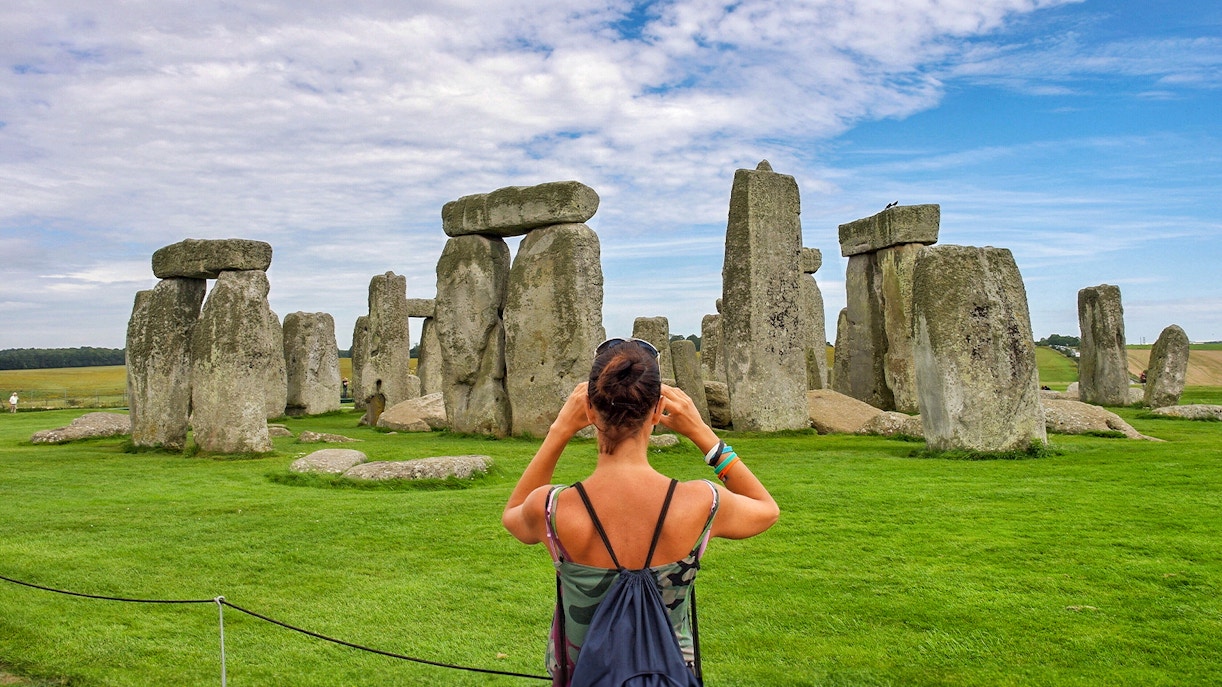
- Photography is permitted during equinox gatherings, but tripods and large equipment are normally restricted inside the stone circle.
- Handheld cameras and phones are allowed, provided visitors avoid blocking sightlines or disturbing the quiet atmosphere.
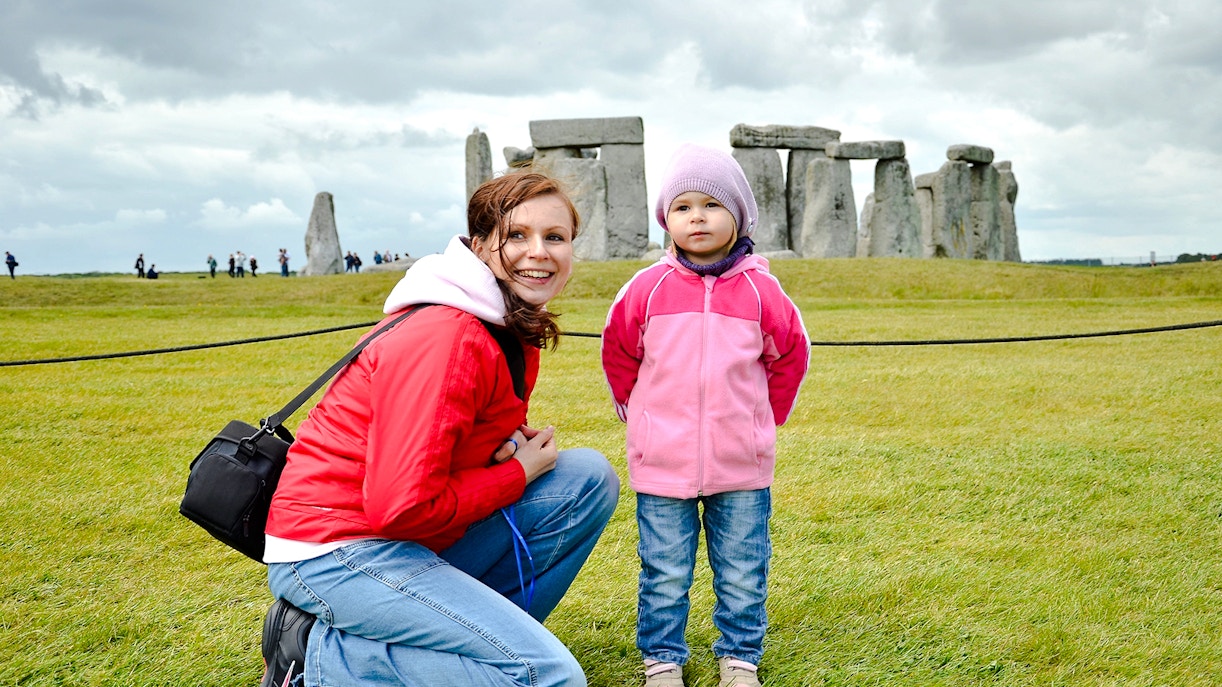
Early mornings during the Stonehenge fall equinox and spring gatherings can be cold (3°C to 8°C) and damp. Wear waterproof shoes with good grip and layered outerwear.
Tips for a meaningful Stonehenge equinox visit
- Choose your position early: Stand slightly opposite the Heel Stone alignment rather than directly behind it. This gives a cleaner view of sunlight moving between the stones.
- Arrive before entry: Reach the car park well before gates open. It reduces stress and gives you time to orient yourself calmly in low light.
- Bring controlled lighting: Carry a small torch with a focused beam for the unlit path. Avoid wide glare that disrupts others adjusting to darkness.
- Expect uneven ground: The grass can feel slick with dew even without rain. Footwear with grip matters more than heavy insulation at dawn.
- Protect camera settings: Cold air drains batteries faster. Keep spare batteries in an inner pocket and adjust ISO beforehand to avoid fumbling in dim light.
- Track the sun’s shift: Use a compass or sun tracking app to follow the horizon point. Watching the gradual shift deepens understanding of the alignment.
- Stay after sunrise: Do not leave immediately once the sun appears. The changing angle of light across the stones over the next twenty minutes reveals more detail.
- Respect shared silence: Many visitors treat the equinox as reflective. Keep conversations low, and devices muted to preserve the atmosphere.
- Plan your exit: Traffic builds quickly after closure. Waiting briefly at the visitor centre café or exhibition area can make departure smoother and less rushed.
Frequently asked questions about the Stonehenge equinox
Stonehenge aligns with the rising and setting sun, and the equinox highlights its connection to seasonal solar cycles.
Stonehenge is linked to both, but solstice alignments are stronger and more precise than equinox alignments in archaeological evidence.
There is no solid evidence it predicted eclipses, though some researchers suggest its layout reflects careful long-term sky observation.
An equinox occurs when day and night are nearly equal, while a solstice marks the longest or shortest day.
Plan to arrive around 5am to 5:30am. Gates open before sunrise, and spots fill quickly, especially those with a clear view of the Heel Stone.
While less dramatic than the winter or summer solstice, the equinox alignment is subtler and more symbolic, focusing on the balance between night and day rather than extremes.
Yes, but space is limited. Avoid bulky setups that may obstruct views for others. Compact tripods and handheld stabilisers are recommended.
Expect a hushed, almost reverent atmosphere. Some people sing, chant, or play flutes, but it’s largely quiet, reflective, and respectful of the moment.
Yes. Fog, clouds, or rain may obscure the sun, but the atmosphere and gathering still make the visit meaningful, even without a clear sunrise.
Yes, areas along the Avenue path or outside the circle offer quieter views while still aligning with the monument’s axis—great for reflection or photography.

