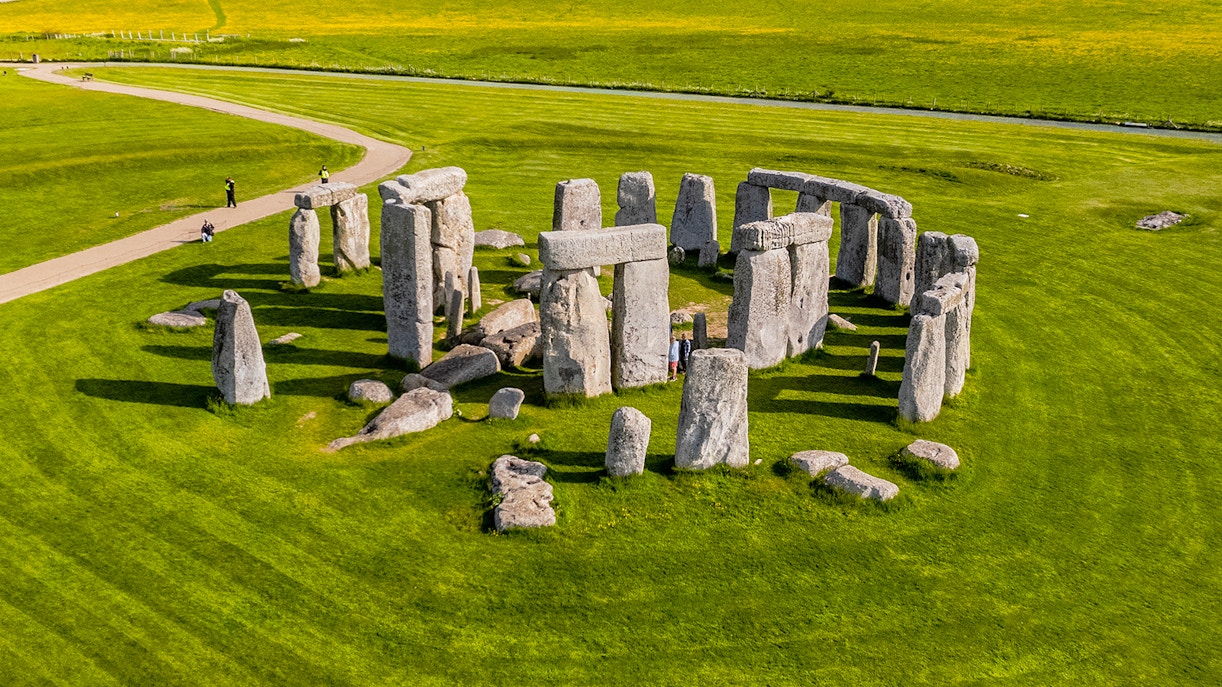
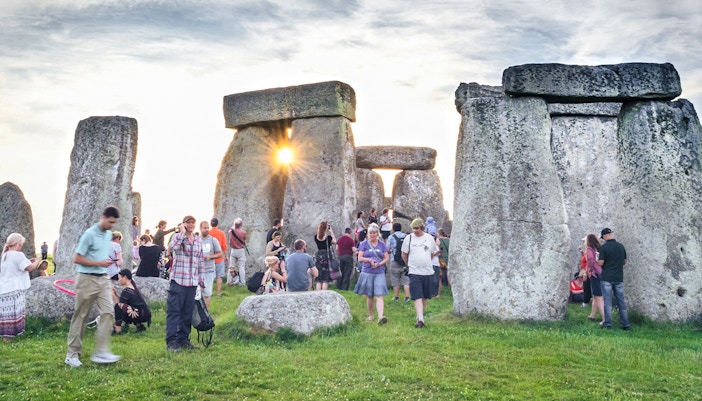
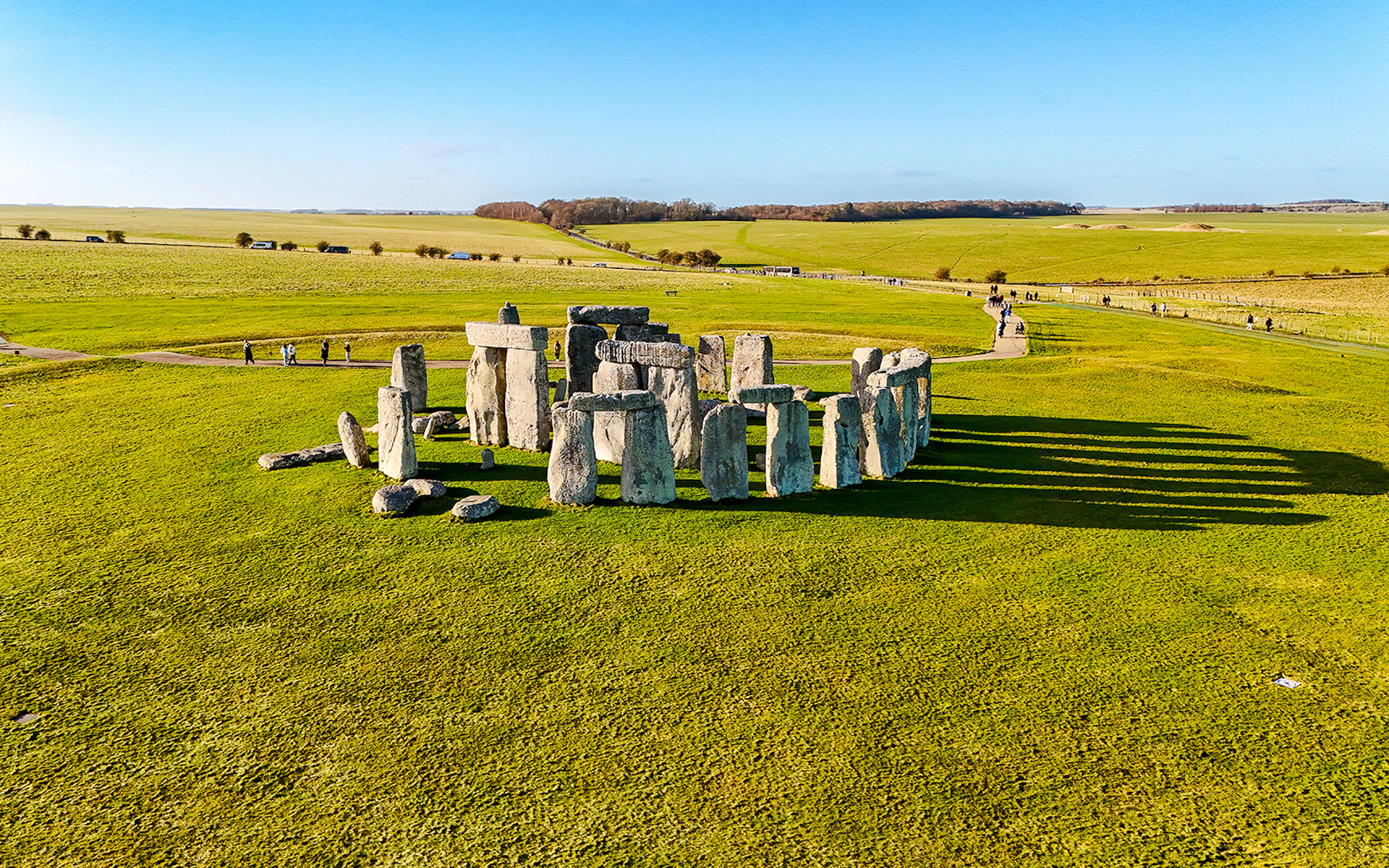
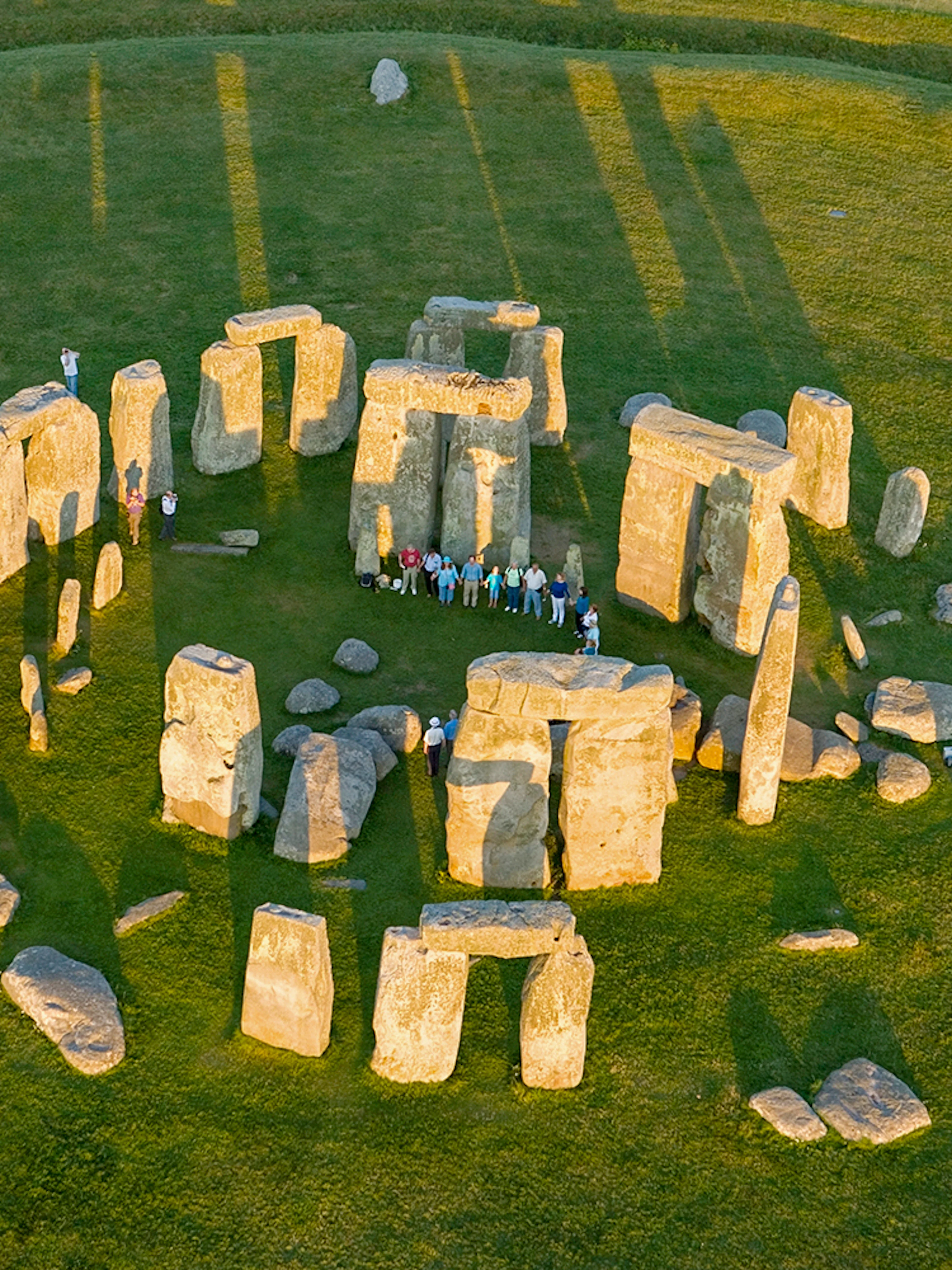
- The heart of Stonehenge: The Inner Circle is the central ring of towering sarsen stones, forming the core of the monument and its most architecturally complex section.
- Where rituals likely happened: Many believe the Inner Circle was used for ancient ceremonies, seasonal rituals, or astronomical observations, giving it deep historical and symbolic importance.
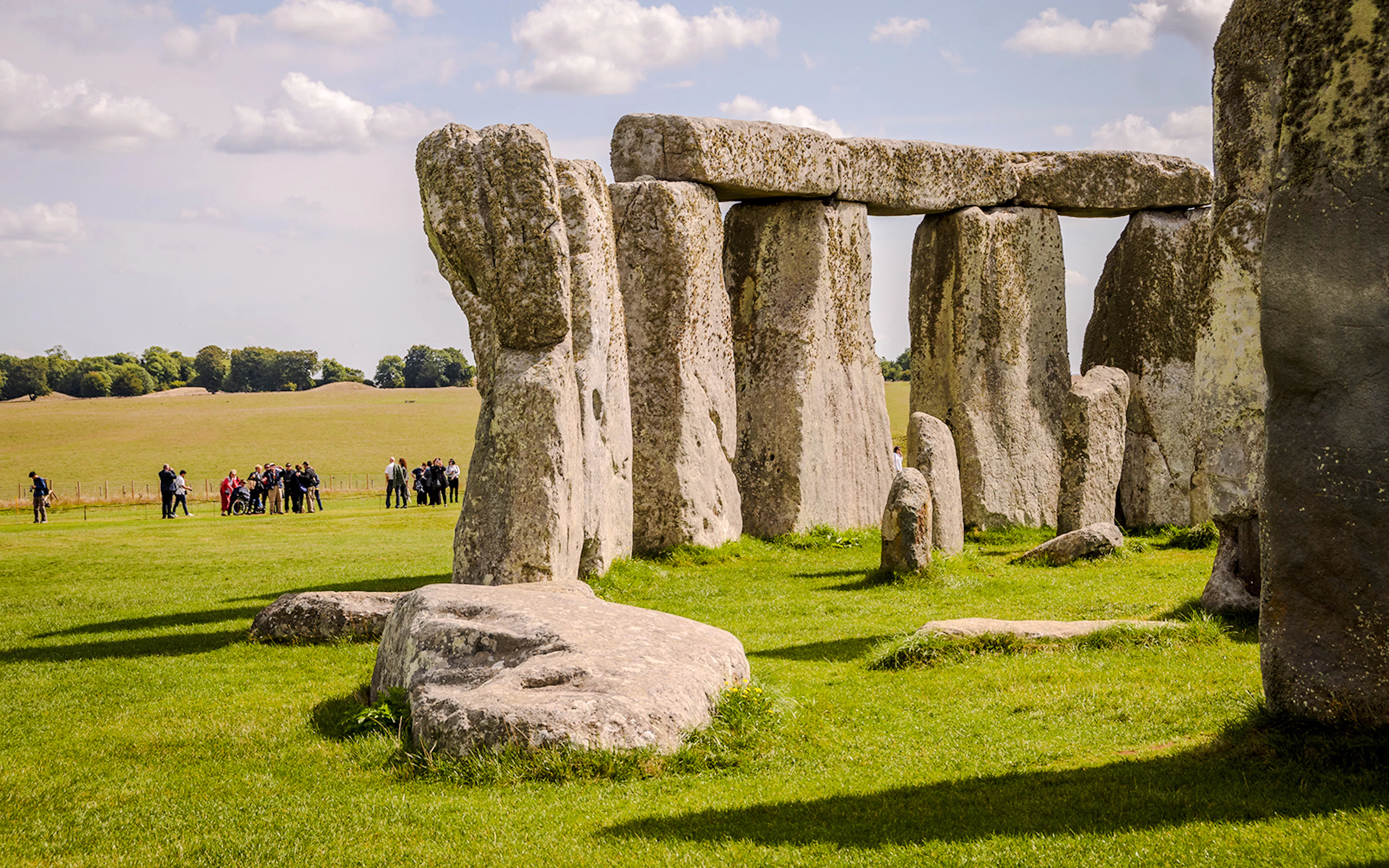
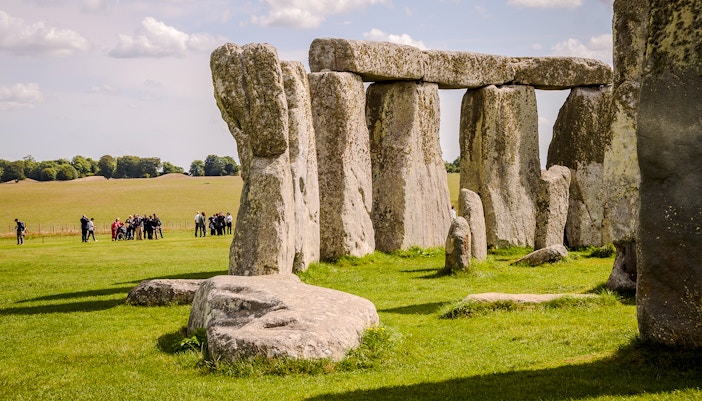
- Surrounded by giants: This area features upright sarsens topped with horizontal lintels, forming iconic trilithons that stand over 6 metres high and dominate the site visually.
- Originally a full ring: The Inner Circle was once a complete ring of massive stones, carefully arranged with precise alignments tied to solstices and the movement of the sun.
- Centre of alignment: The famous solstice sunrise and sunset lines cut directly through the Inner Circle, suggesting it was deliberately positioned to reflect celestial cycles.
- Intimate, powerful space: Smaller than expected yet incredibly striking, the Inner Circle feels enclosed and atmospheric, offering a closer connection to Stonehenge’s scale, mystery, and ancient craftsmanship.
Enter Stonehenge Inner Circle I Enjoy the most exclusive view
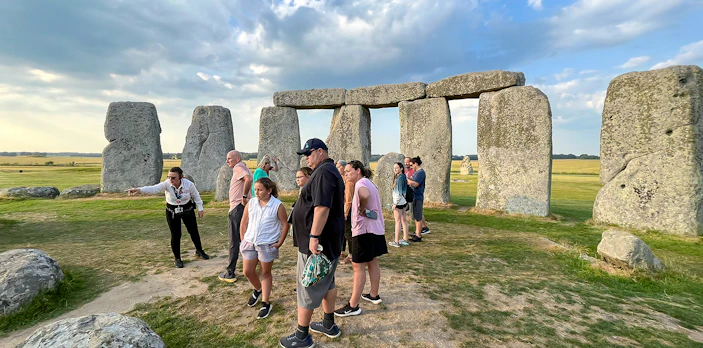
Stonehenge Inner Circle access means stepping inside the heart of Stonehenge, where visitors usually aren’t allowed. It's a rare opportunity to get right among the stones, without the daytime crowds, during special morning or evening slots that give it an entirely different energy. Curious? Read on for all the details!
An overview of the Stonehenge Inner Circle

What you’ll get from choosing Stonehenge Inner Circle access
Rare access to the core of the monument
Only a small number of visitors are allowed into the Inner Circle each day, outside public hours. This rare access lets you experience the monument in a much quieter, more meaningful way than standard visits.
A space that feels almost timeless
Without large crowds or modern distractions, the Inner Circle has a stillness that’s difficult to describe. You’ll hear the wind, the birds, and little else—just the kind of quiet that gives the site its deeper atmosphere.
Ideal setting for reflection or photography
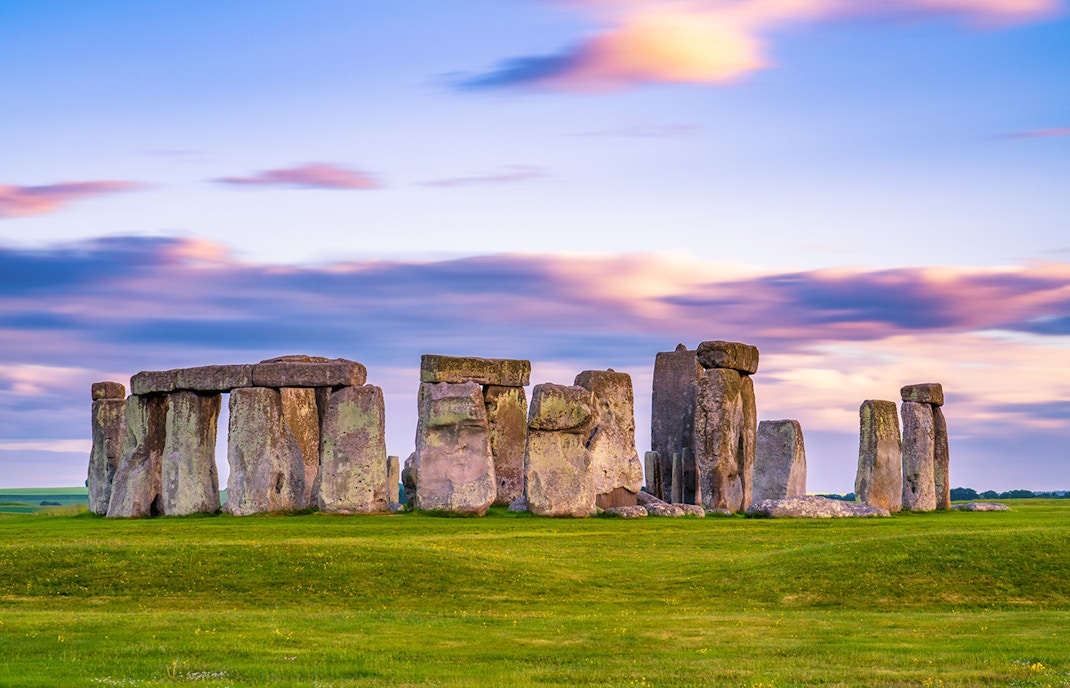
With uninterrupted views and soft morning or evening light, it’s a perfect environment for thoughtful reflection or capturing stunning photos that show the details, angles, and shadows of the stones without any fencing in the way.
Stand among the stones themselves
You’ll be able to walk freely within the central stone ring, surrounded by towering sarsens and bluestones. This perspective shows the monument’s scale, texture, and complexity in ways that are completely hidden from the public path.
Rich in alignment and meaning
This central ring is where the solstice alignments come into play. You’ll be standing exactly where ancient people aligned the stones with the rising and setting sun, giving you a new appreciation of their astronomical knowledge.
Time to absorb it all slowly
Inner Circle visits usually last around one hour, giving you plenty of time to walk, look closely, or simply stand still and take it in. It’s not rushed, so the experience feels more personal and immersive.
Additional insights from the experts
Some tours include a guide who shares stories, theories, and research connected to the stones. If your visit includes one, it can give helpful context and make the setting feel even more layered and alive.
A Visitor's Testimonial
Inner Circle access vs. general Stonehenge admission tickets
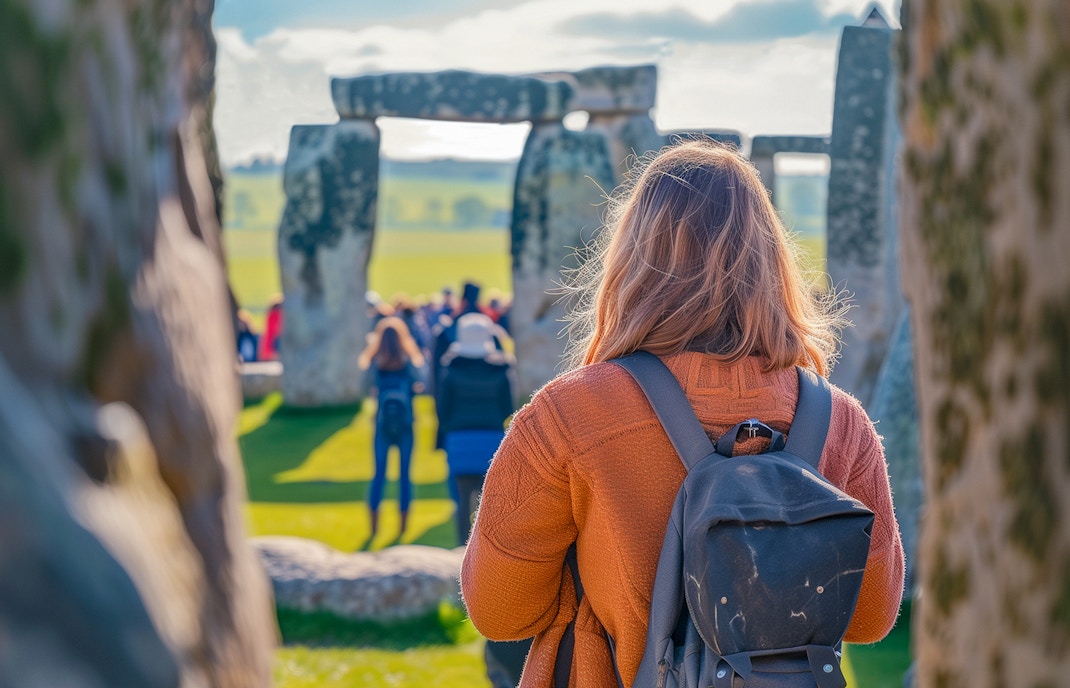
Inner Cicle experience
- Proximity to stones: You’re allowed to walk directly among the stones, giving you a close-up look at their scale, weathering, and placement from within the monument itself.
- Timed access slots: Visits generally take place early in the morning or evening, outside regular public hours, making the experience quieter and more atmospheric with soft natural lighting.
- Smaller group size: Entry is usually strictly limited to a small number of people, creating an uncrowded, peaceful setting that encourages slow observation and personal reflection.
- Deeper interpretation: Often includes a guide who shares insights about construction, alignments, myths, and theories, offering more context than the standard visitor route typically provides.

General admission
- Perimeter viewing path: Visitors follow a circular path around the monument at a distance, with clear views but no physical access inside the stone circle itself.
- Full-day availability: Tickets are available throughout normal opening hours, allowing more flexibility in planning, especially for those fitting Stonehenge into a wider day trip.
- Larger visitor numbers: Expect a steady flow of visitors along the path, especially during peak hours, with more background noise and limited space for quiet moments.
- Visitor centre access: Includes entry to the Stonehenge Visitor Centre, featuring exhibitions, a café, and reconstructed Neolithic houses for a broader educational experience beyond the monument.
Visitor tips
- Choose a morning slot in summer for the best natural light and solitude. The long daylight hours mean softer lighting and clearer skies for photography.
- If you prefer a moody, dramatic setting, choose an evening slot in autumn or winter when low fog and long shadows add atmosphere to the experience.
- Wear layered clothing regardless of the season. Inner Circle access happens outside public hours, when temperatures are cooler, even in summer mornings or early spring evenings.
- Bring a small flashlight for early morning or dusk visits. Paths to the stones can be dim or uneven, and the site isn’t brightly lit outside hours.
- Check solstice and equinox dates even if you’re not attending them. Time slots around these dates often feel more meaningful due to stronger solar alignments.
- If possible, avoid booking during full moon nights. While it sounds magical, the extra brightness can affect your photos and reduce the contrast of shadows.
- Keep your camera settings ready before arriving. Light changes quickly during sunrise or sunset, and you won’t want to waste time adjusting once inside.
- Avoid booking the shortest day of the year unless you're interested in the solstice crowd. It’s often more ceremonial and quieter than expected.
- Speak softly and keep your phone on silent. The Inner Circle experience is shared, and quietness is part of what makes it feel extraordinary.
- If you're especially into astronomy or ancient alignments, bring a compass or alignment app. It’s fascinating to line things up from inside the circle.
Frequently Asked Questions about Stonehenge Inner Circle
Yes, you can walk freely within the Inner Circle, though stepping directly on fallen stones or climbing any part of the structure is strictly prohibited.
Only in extreme cases like heavy snow, lightning, or strong winds. Light rain or fog won’t cancel the visit, so come prepared for varied conditions.
Yes, your ticket allows access to the Visitor Centre and shuttle. You can visit it before or after your Inner Circle time depending on your slot.
Yes, children are allowed but must be closely supervised at all times to ensure they don’t touch, climb, or run around near the stones.
The Heel Stone is just outside the main circle. You’ll get a close view of it during your visit, although you won’t walk right up to it.
No, drones are strictly prohibited at all times around Stonehenge, including during Inner Circle access, due to preservation and safety regulations.
Summer offers golden light and comfort, but winter sunrise visits can feel more spiritual and quiet. Shoulder seasons like April or October balance both well.