Boarding is from central London rather than hotel pick-up, and your final drop-off may not match your original departure point on every itinerary. Recheck the meeting point on your ticket before travel.
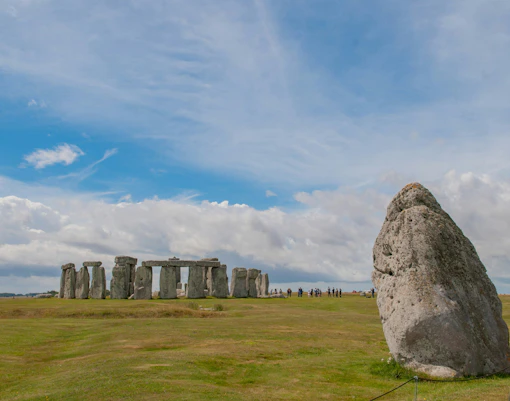
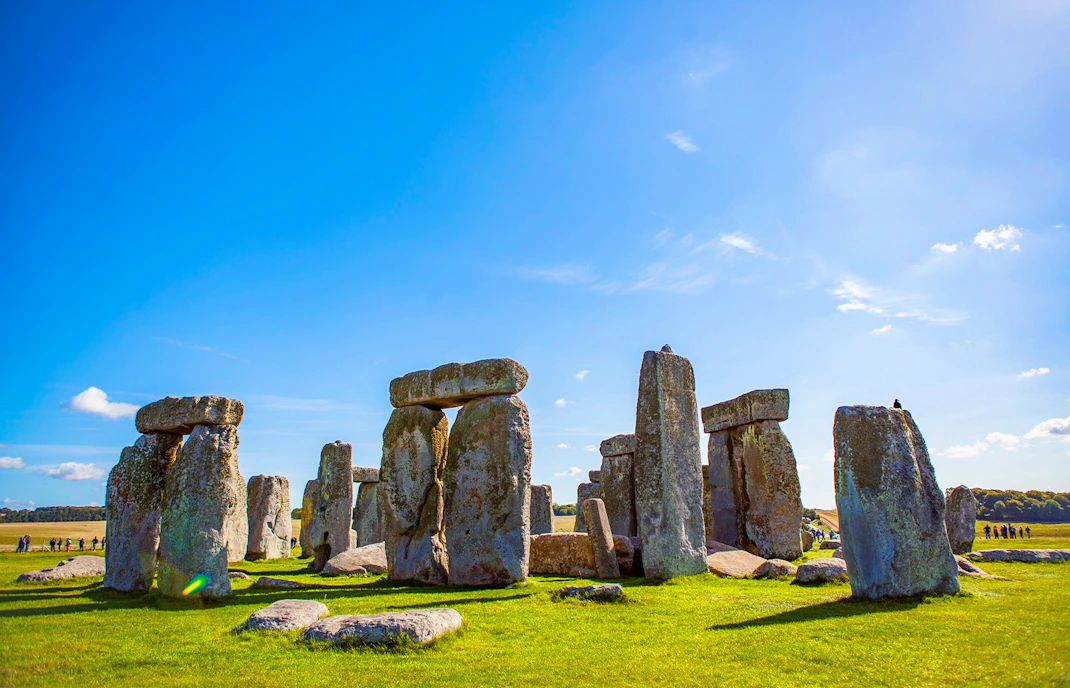
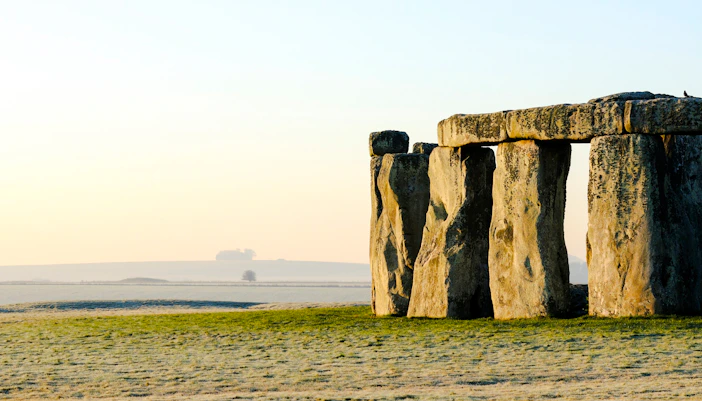
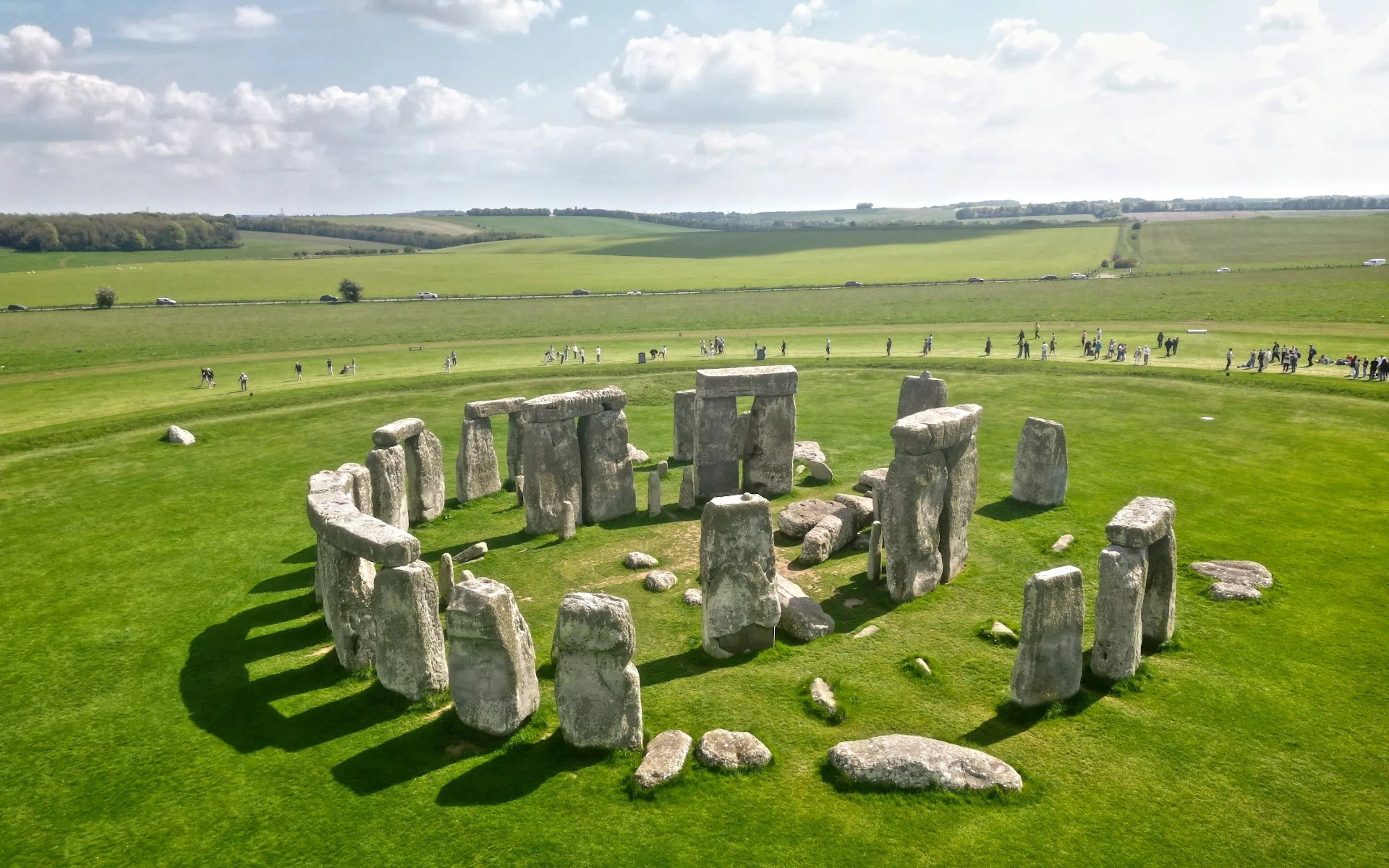
Standing as an ancient megalithic structure, this prehistoric monument site consists of massive upright sarsen stones arranged in a ring, capped by heavy horizontal lintels. Situated on the grassy expanse of Wiltshire's Salisbury Plain near Amesbury, England, visitors reach the site by arriving at the modern visitor centre and taking a short shuttle bus or walking across the open landscape. Its single most distinctive feature is its deliberate solar alignment, constructed around 3000 to 1500 BCE so that the central axis precisely frames the rising sun during the summer solstice and the setting sun during the winter solstice. A typical visit to explore the outdoor stone circle, nearby earthworks, and interactive museum exhibits takes about two to three hours.
Why see Stonehenge?
1/4
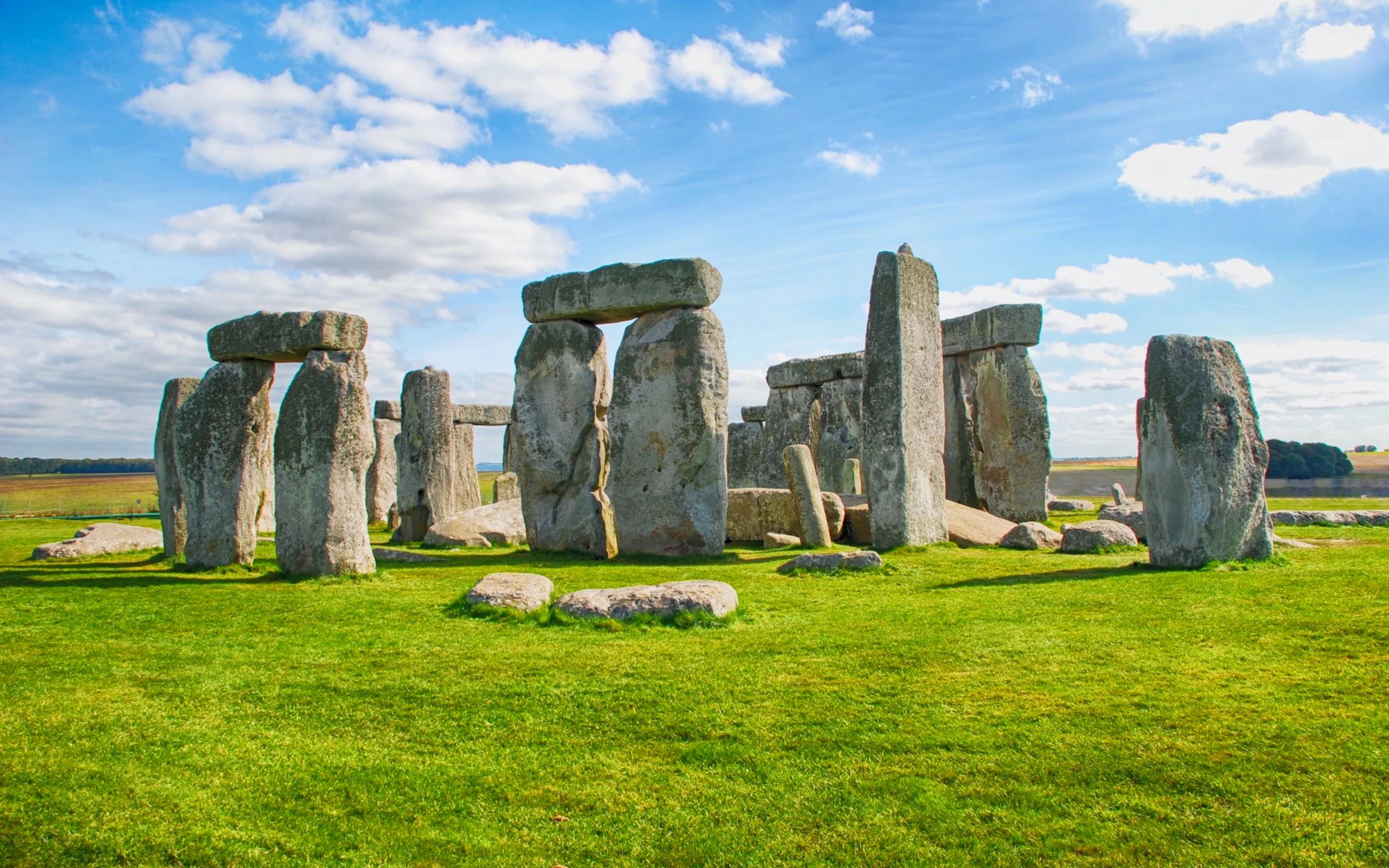
Stand among 25-ton sarsens positioned 5,000 years ago
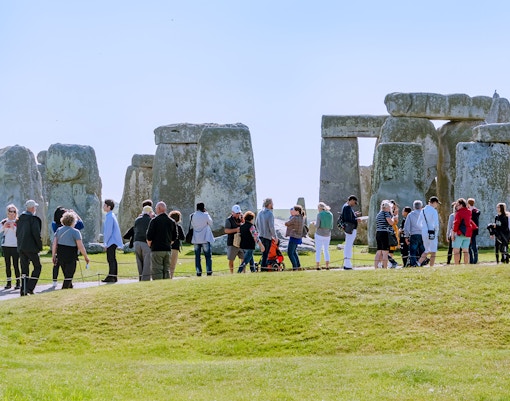
Walk the circular perimeter path surrounding the stone circle. The sarsen and bluestone blocks remain visible from all angles across the surrounding Wiltshire landscape.
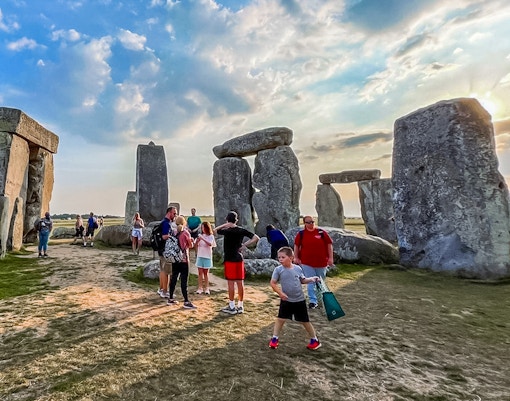
Align with prehistoric solar architecture on the Salisbury Plain
The central axis frames the rising summer sun and setting winter sun. Archaeologists constructed the monument around seasonal celestial movements that remain visible during annual solstices.
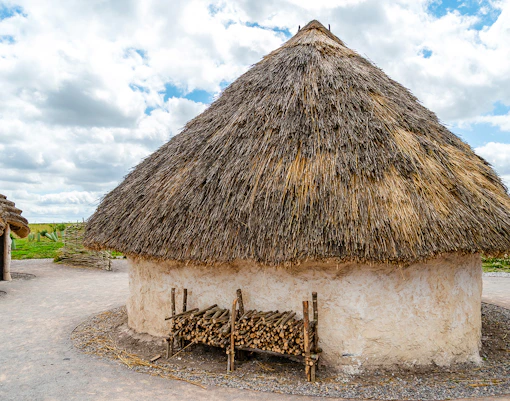
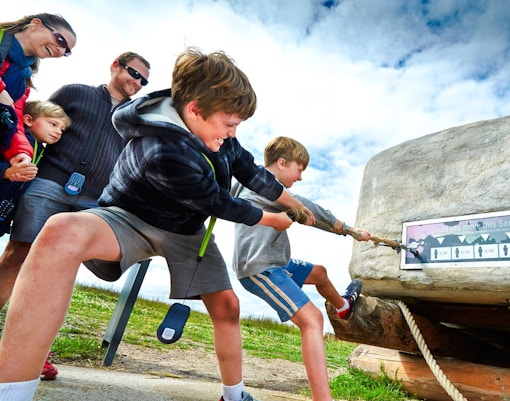
Explore deep Neolithic history in the outdoor museum exhibits
Reconstructed Neolithic houses sit near the visitor centre, displaying ancient tools and artefacts. Exhibits detail the human effort and engineering behind transporting and raising the stones.
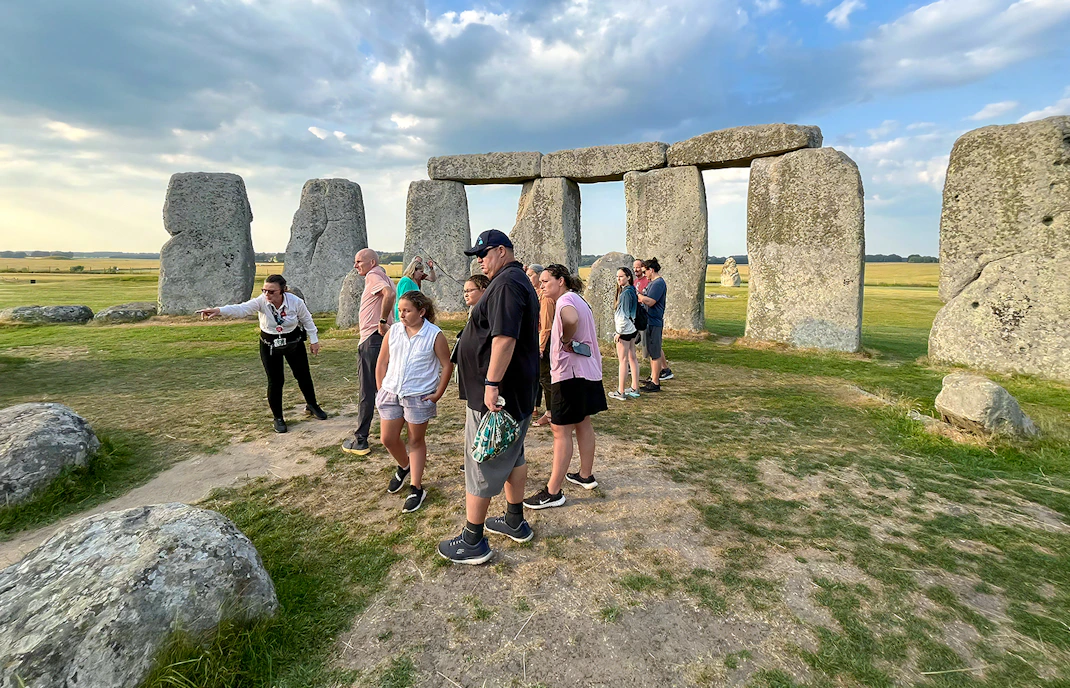
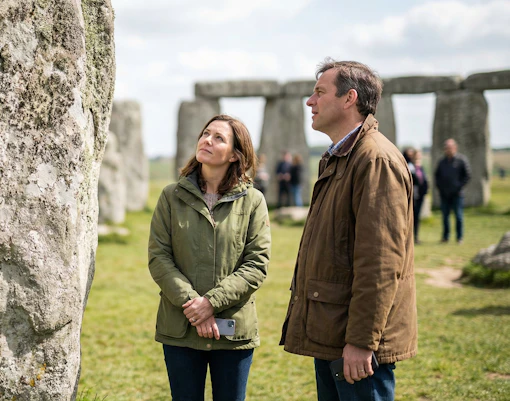
Rope barriers prevent direct touching of the central stones
Standard admission keeps visitors on a designated paved pathway around the monument perimeter. Access inside the inner stone circle requires booking a separate, limited special access tour outside operating hours.
Plan your visit to Stonehenge from London
What to do at Stonehenge
Standing as an ancient megalithic masterpiece on the Salisbury Plain, Stonehenge combines prehistoric design with precise astronomical alignment. Constructed between 3000 and 1500 BCE using massive sarsen stones and Welsh bluestones, the site served as a vital focal point for ancient rituals, burials, and celestial observations.
Brief history of Stonehenge
- 3000 BCE: Construction begins on the Salisbury Plain as an early henge monument, consisting of a circular earthwork ditch and bank used as a sacred cremation burial site.
- 2500 BCE: Massive sarsen stone blocks and smaller Welsh bluestones arrive at the site. Builders erect the primary stone circle and inner horseshoe structure using sophisticated mortise-and-tenon joints.
- 1500 BCE: Final rearrangements of the bluestones mark the end of major construction efforts, leaving a fully aligned solar monument used for ancient seasonal gatherings and rituals.
- 17th–19th century: Early antiquarians like John Aubrey and William Stukeley begin formal surveys of the site, establishing its prehistoric origins and sparking national interest in preservation.
- 1918–1986: Local landowner Cecil Chubb donates the site to the nation in 1918, initiating decades of major archaeological excavations and restoration before UNESCO designates it a World Heritage Site in 1986.
Architecture & design of Stonehenge
Designed using a sophisticated Neolithic post-and-lintel system, the monument creates an immediate sense of scale and spatial precision against the vast Wiltshire plain. The structure consists of two distinct rock types: massive sarsen sandstones weighing up to 25 tons each, and smaller Welsh bluestones transported over 140 miles. Standing beneath the stones, visitors can observe remarkable engineering feats, including subtle mortise-and-tenon joints that lock the horizontal lintels securely onto the upright pillars. Curved lintels were carefully shaped using stone hammers to create a visually seamless outer circle. The precise geometric ring framing the horizon evokes a powerful connection to ancient astronomical engineering.
Who built it?
While legends once attributed Stonehenge to Merlin, giants, Romans, Druids, or aliens, archaeological evidence shows it was built across roughly 1,500 years by generations of Neolithic farmers, local tribes, and interregional collaborators led by ritual leaders and skilled stoneworkers. Using stone hammers, antler picks, and bone tools, they shaped massive stones, including 30-ton sarsens and bluestones transported nearly 200 km from Wales via wooden sledges, logs, and rivers. Nearby settlement signs and food remains (pigs, cattle, charred grain) reveal large seasonal feasts that sustained hundreds to thousands of workers. Excavated burials indicate it served as a sacred ceremonial centre for ancestor worship, seasonal alignment, and social cohesion, with builders using precise solar observations to align the monument with the summer and winter solstices.
Mysteries, theories, and facts about Stonehenge
Stonehenge vandalism, damage, and protection
Throughout its history, Stonehenge stood without barriers, leaving it vulnerable to neglect, stone removal for construction, farming disruption, and souvenir-chipping. Over centuries, visitors etched graffiti into the stones, from 18th/19th-century carvings like "W. Scamp" (1802) to WWI soldiers' inscriptions (1915). The 20th and 21st centuries brought protest-related damage, including red paint by anti-nuclear activists (1963), site wear from 1970s–1980s Free Festivals, purple spray paint (1984), a hammer attack on the Heel Stone (2008), and controversies over a proposed road tunnel (2020). Most recently, in June 2024, Just Stop Oil activists sprayed orange powder paint on the stones, leading to arrests and prosecutions (such as Luke Watson in November 2024).
First legally protected under the Ancient Monuments Protection Act of 1882, the site now features protective fencing (installed in 1978), 24-hour CCTV surveillance, and strict legal penalties including fines and imprisonment. Today, English Heritage manages the monument alongside the National Trust, using laser and micro-abrasion cleaning techniques to remove paint and graffiti without harming rare lichens or ancient stone surfaces. While some historic carvings remain visible, general visitors must stay on managed paths to preserve this UNESCO World Heritage Site.
What to know before you book
Need to know
- Standard Stonehenge entry means perimeter-path viewing; walking inside the circle is limited to specific restricted-access products such as the Inner Circle tour
- Not every London departure includes attraction entry, so check inclusions carefully on combo and guided-only products before paying
- Hotel pick-up is generally not included; boarding is from central London, and some tours finish at a different London drop-off point
- Windsor Castle entry is not available on every departure day, especially Tuesdays and Wednesdays, when some itineraries switch to free time or a Windsor walking tour
Worth knowing
- If Stonehenge matters more to you than collecting stops, a half-day or direct itinerary is the lower-risk choice than Bath/Windsor/Oxford combinations
- The Inner Circle tour is the strongest upgrade because it changes access depth, not just transport or commentary
- Walking from the visitor centre instead of waiting for the shuttle turns the approach into part of the visit, but it adds about 4km round trip across open ground
Best photography & viewing angles
- Position yourself near the Heel Stone or along the Avenue to capture the stones framed against solstice sunrises and sunsets.
- Walk to the South Barrow viewpoint or 200 metres up towards the Cursus Barrows for elevated panoramic views of the monument within its broader landscape.
- Explore the western perimeter path during afternoon golden hour to highlight the massive scale, textures, and long shadows of the sarsen stones.
Tips to enhance your visit
- Visit the exhibition gallery first to understand the construction timeline, tool usage, and site geometry before heading to the stones.
- Take the shuttle bus to the stone circle upon arrival, then take a reflective walk back across the plain to explore the earthworks and burial mounds.
- Look closely at the tops of the upright sarsens to spot the interlocking mortise-and-tenon joints that hold the horizontal lintels in place.
Frequently asked questions about Stonehenge
Standard admission keeps visitors on a dedicated path around the perimeter. To walk directly among the stones, you must book a limited special access tour outside normal opening hours.
Dogs on short leads are permitted on the walking paths around the visitor centre, on the shuttle route, and across the surrounding landscape. However, only registered assistance dogs are allowed inside the monument enclosure, exhibition space, and shuttle buses.
The visitor centre features an indoor café serving hot meals, sandwiches, pastries, and regional snacks. You can also bring your own food to use the outdoor picnic tables located nearby while enjoying views of the surrounding countryside.
Yes, the visitor centre, exhibition areas, and main circular pathway surrounding the monument are fully wheelchair accessible. Accessible shuttle buses run regularly between the visitor centre and the stones, and wheelchairs are available to hire on site.
You can view the monument from a public footpath that runs along the boundary of the site without paying. However, accessing the visitor centre, taking the shuttle bus, entering the exhibitions, and getting close to the stones requires a ticket.