Stonehenge summer solstice | Sunrise alignment & what to expect
The Stonehenge summer solstice marks the longest day of the year, when the rising sun aligns precisely with the monument’s central axis. As daylight breaks behind the Heel Stone, light enters the stone circle just as the builders intended. Today, this moment brings together archaeology, spirituality, and one of the largest annual gatherings at the site.
Why is the summer solstice at Stonehenge special?
1/5
Ancient sunrise alignment
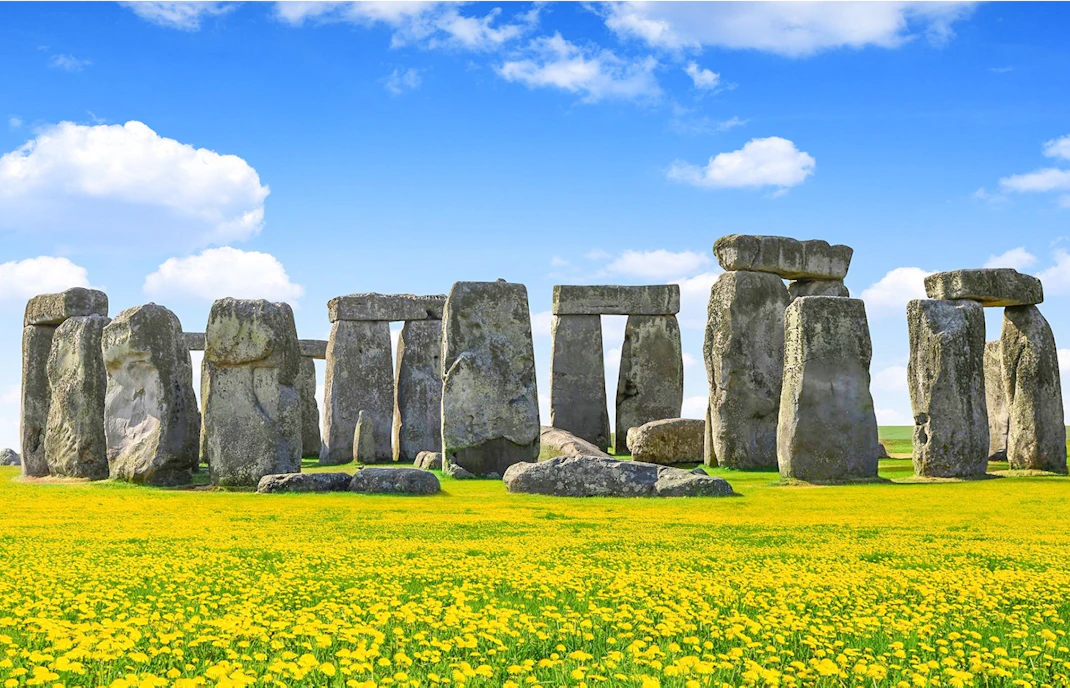
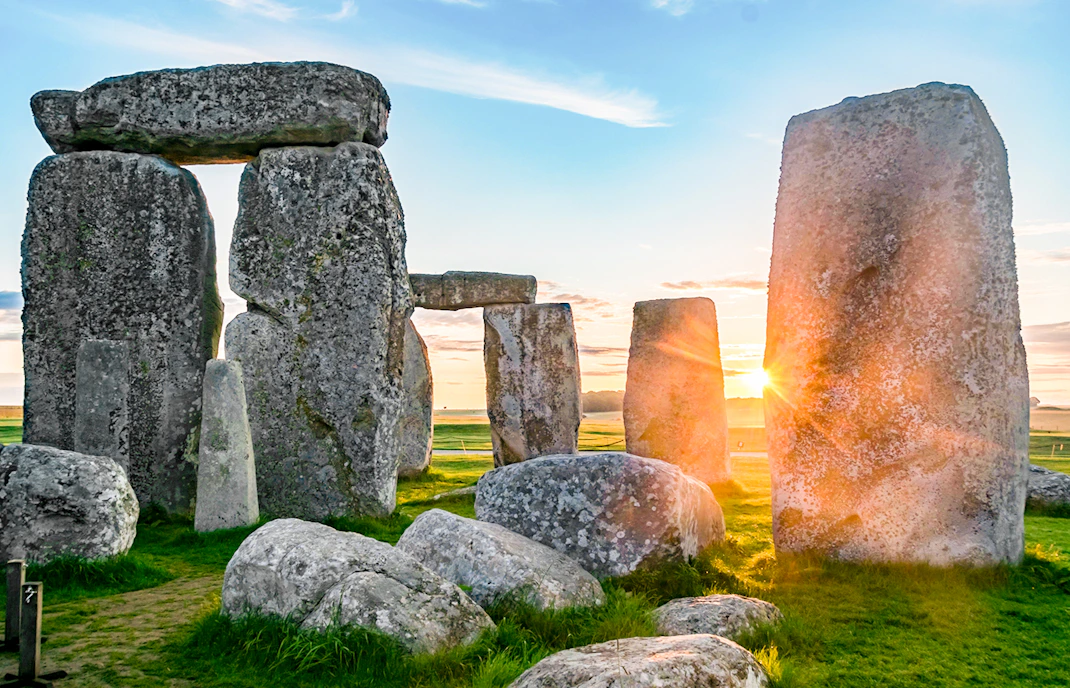
Stonehenge is carefully aligned to the midsummer sunrise. On the solstice, the sun rises northeast of the circle, directly behind the Heel Stone, sending early light along the monument’s central axis.
Neolithic design and intention
Archaeological research shows the axis was deliberately positioned to frame the summer sunrise. This suggests prehistoric communities closely observed the sky and structured ceremonial life around seasonal turning points.
Longest day of the year
The summer solstice brings the maximum daylight hours in Britain. For farming communities, this marked a peak in the seasonal cycle and likely carried social and ritual importance.
Large-scale gathering
Unlike winter, the summer solstice draws tens of thousands. The field fills before dawn, making it the most attended annual event at Stonehenge.
Living spiritual tradition
Modern Druids, Pagans, and other groups gather to mark the sunrise with chants, quiet rituals, and seasonal observances, continuing a tradition of solstice recognition at the monument.
What happens during the Stonehenge summer solstice
Sunrise alignment moment
In 2026, the summer solstice falls on Sunday 21 June, with the astronomical solstice occurring earlier that day. Sunrise at Stonehenge is expected at approximately 4:52am. As the sun rises behind the Heel Stone, it aligns with the monument’s axis and shines into the circle.
Open access inside the stones
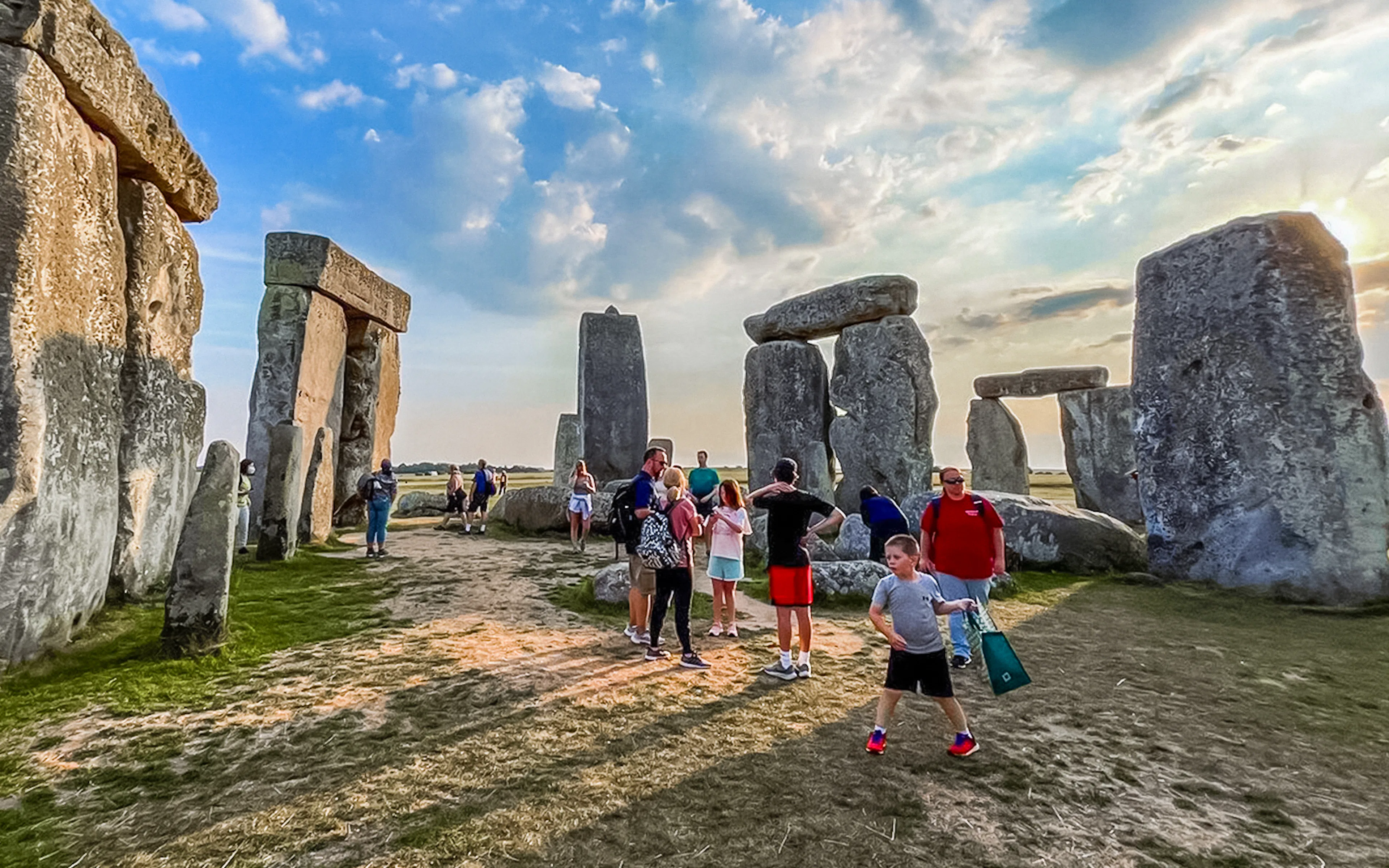
The summer solstice is one of the rare occasions when managed open access allows visitors to walk among the stones for several hours around sunrise.
Rituals and ceremonies
Spiritual groups may hold blessings, chants, and symbolic ceremonies before and during sunrise. These observances focus on light, seasonal change, and the height of the solar year.
The atmosphere before dawn
Visitors arrive in darkness, often between 1am and 3am. As the sky brightens, attention turns toward the Heel Stone. When the sun appears, cheering, drumming, and applause ripple across the crowd.
Winter solstice vs. summer solstice
Summer solstice at Stonehenge
Sunrise alignment: At midsummer, the rising sun appears behind the Heel Stone and shines directly along the monument’s central axis into the circle.
Large crowds: Attendance often reaches 20,000 to 25,000 people, filling the monument field with dense crowds gathered before dawn for sunrise.
Celebratory tone: Drumming, chanting, music, and cheering build as sunrise approaches, creating a lively and visibly energetic atmosphere across the field.
Theme of maximum light: The focus is on the longest day of the year, marking peak daylight and the height of the solar cycle.
Winter Solstice at Stonehenge
Sunset alignment: In winter, the significant alignment occurs at sunset, when the sun sets along the monument’s central axis at dusk.
Smaller gatherings: Crowds are much smaller than in summer, allowing more space inside the stone circle during open access hours.
Reflective atmosphere: The mood is quieter and more contemplative, with visitors focusing on stillness and the gradual return of longer days.
Seasonal turning point: The emphasis is on renewal after the shortest day, marking the slow return of increasing daylight through winter.
Best ways to experience the Stonehenge summer solstice
Arrive well before dawn: Plan to reach the site at least 1–2 hours before sunrise. This allows time for parking, security checks, and walking to the monument field.
Position yourself near the axis: Face northeast toward the Heel Stone. Standing slightly to one side of the central axis often provides a clearer view of the sunrise alignment.
Prepare for crowd density: Expect limited personal space near sunrise. Choose a viewing spot early and remain patient as the field fills.
Dress for early morning conditions: Even in June, pre-dawn temperatures can feel cold on Salisbury Plain. Bring warm layers and sturdy footwear.
Stay after sunrise: Many visitors leave immediately. Remaining longer allows you to see the monument in early morning light once crowds begin to thin.
Key info to know before you go
The 2026 summer solstice occurs on Sunday 21 June. Sunrise is expected at approximately 4:52am in southern England. Open access typically begins several hours before sunrise. Confirm final arrangements with English Heritage shortly before attending.
Driving is the most flexible option, though designated solstice parking is separate from normal visitor parking. Shuttle services usually operate between car parks and the monument field. Public transport is limited at this hour, so plan carefully or consider a guided transfer.
Yes. The summer solstice is one of the rare occasions when managed open access allows visitors to enter and walk among the stones around sunrise.
Other places to visit around the solstice
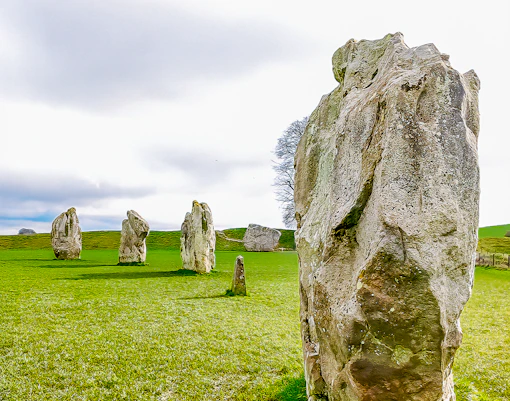
Avebury Stone Circle
Larger in scale than Stonehenge, Avebury surrounds an entire village with standing stones. Visitors can walk freely among them year round, offering a quieter prehistoric landscape nearby.
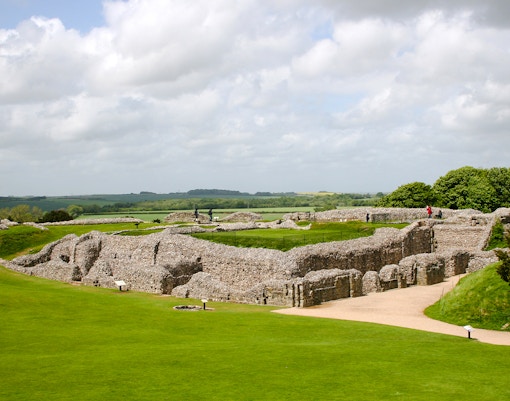
Old Sarum
This Iron Age hillfort and early Norman settlement overlooks Salisbury. Its earthworks and cathedral ruins provide wide views across the plain and context for the region’s long history.
English Heritage Visitor Centre
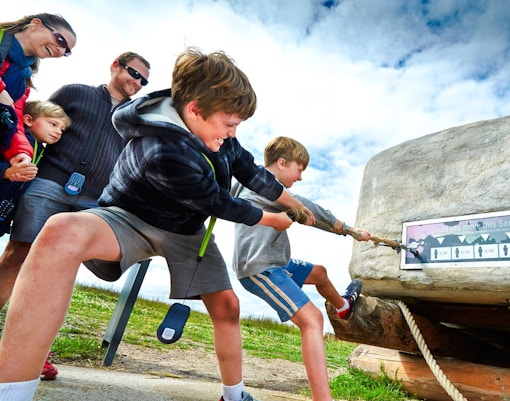
Located near the monument, the centre houses Neolithic artefacts, reconstructed houses, and detailed explanations of Stonehenge’s construction and astronomical alignment.
Visitor tips
Confirm final access times: Check official updates the evening before arrival, as access hours, entry points, and road closures can change based on crowd management plans.
Arrive before peak entry: Aim to reach the car park at least two hours before sunrise, as security checks and walking distances take longer than expected.
Carry essential supplies: Bring water and light snacks, since vendors are limited during early access and you may wait several hours before sunrise.
Bring proper lighting: Use a small torch or headlamp for walking in, as paths across the field are uneven and unlit before dawn.
Choose viewing position wisely: Stand slightly off the central axis rather than directly in line, avoiding blocked sightlines when the crowd leans forward at sunrise.
Plan your exit strategy: Expect slow vehicle movement after sunrise, so either leave immediately or wait for traffic to ease before departing.
Frequently asked questions about the Stonehenge summer solstice
The summer solstice marks the longest day of the year. At Stonehenge, the rising sun aligns with the monument’s axis, highlighting its ancient astronomical design.
In 2026, the summer solstice falls on Sunday 21 June, with sunrise at Stonehenge expected at approximately 4:52am.
Yes. Managed open access allows visitors to walk among the stones for several hours around sunrise.
The alignment happens at sunrise on 21 June, typically just before 5am in southern England, depending on exact annual sunrise times.
No ticket is required. Entry is free and open to all, but security and crowd control are in place.
Many people arrive between 1am and 2:30am. The earlier you get there, the smoother your entry and the better your view.
No formal dress code, but many wear robes, flower crowns, or nature-inspired attire. Dress warmly and wear sturdy footwear.
No, the centre opens later in the day. The early access is for the stones only, with minimal facilities available at that time.
Yes, but be prepared for early hours, large crowds, and minimal seating. Bring warm layers and keep them close in the dark.
No formal tours run during the solstice access. For a structured visit, return later in the day or book a separate Stone Circle Experience.
Yes. The summer solstice attracts significantly larger crowds, often tens of thousands, compared with the smaller winter gathering.
The gathering still takes place. Even without a visible sunrise, visitors mark the seasonal turning point through ceremony and shared presence.
Early solstice access operates separately from standard visiting hours. The main visitor centre usually opens later in the morning.