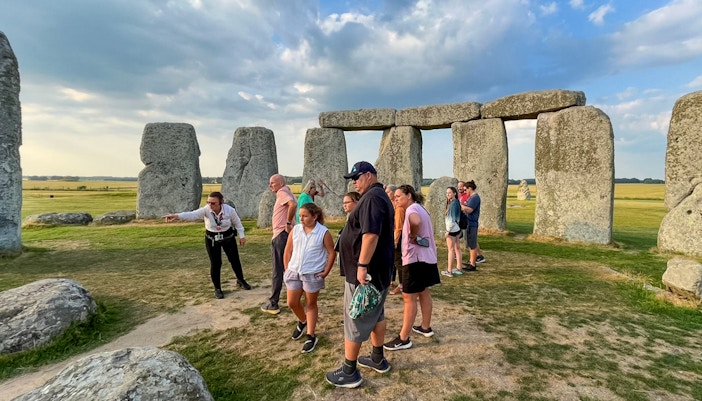
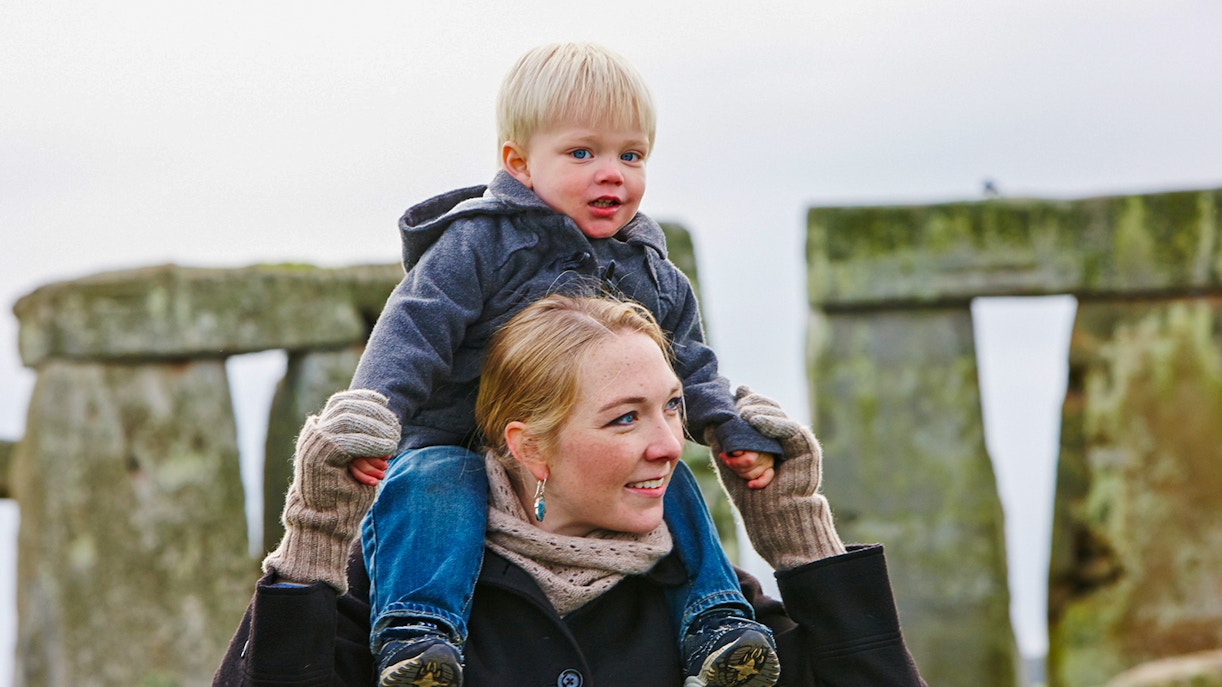
Stonehenge visitor centre I Visitor info, exhibits & facilities
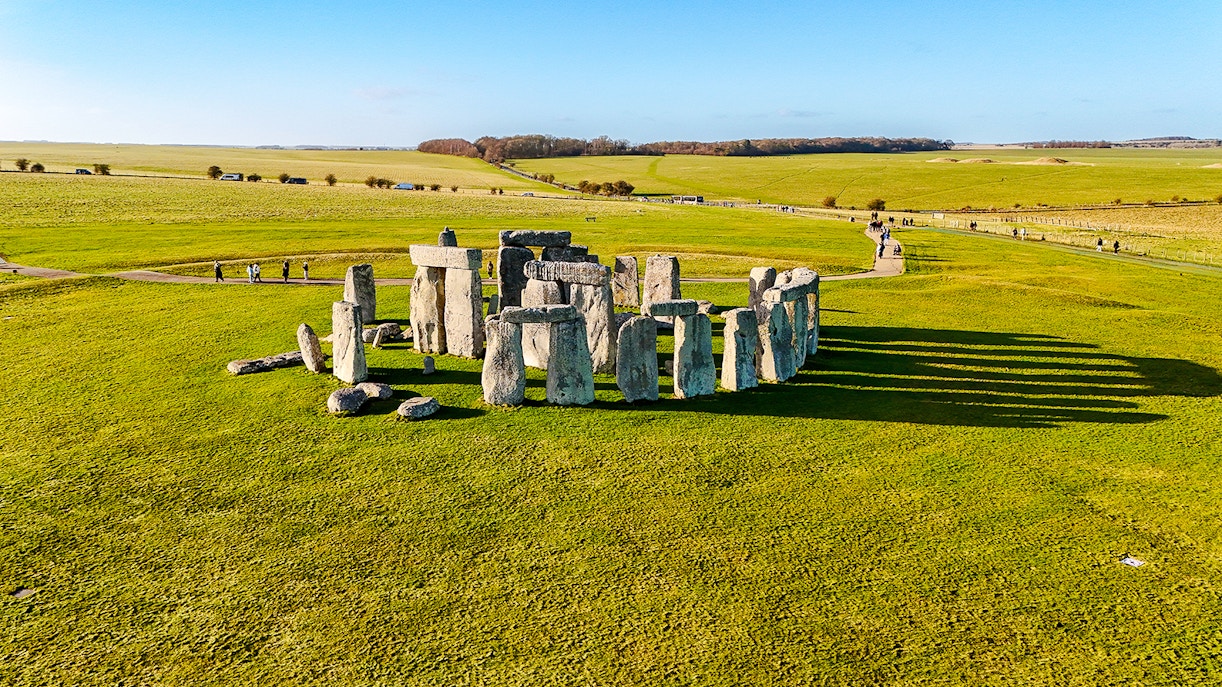
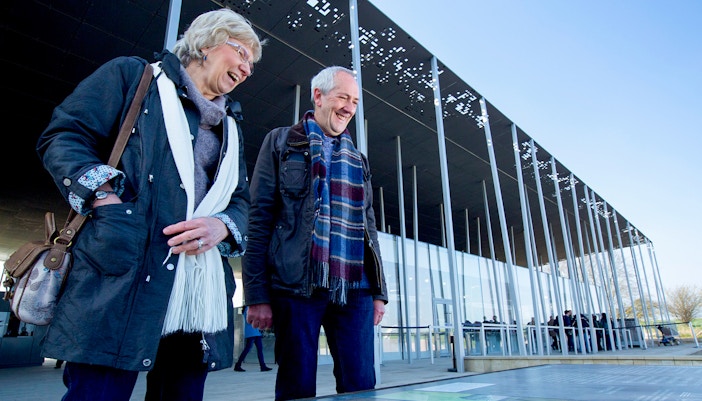
The Stonehenge Visitor Centre is your first stop for everything you need to make the most of your visit. From interactive exhibitions about the monument’s history to practical facilities, it gives context, insight, and a clear starting point before stepping out to the stones themselves.
Why visit the Stonehenge visitor centre?
Historical context: Before stepping onto Salisbury Plain, the centre explains how Stonehenge was built, who may have built it, and why it mattered to ancient communities, giving your visit real meaning.
Shelter from the weather: Rain, wind, or sun won’t spoil your visit. The centre offers a comfortable place to rest, regroup, or plan your walk to the stones.
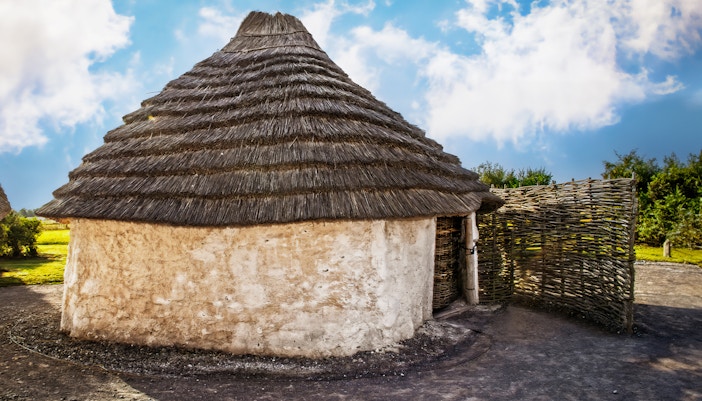
Family-friendly features: Interactive displays, hands-on exhibits, and recreated Neolithic houses let kids explore prehistoric life while keeping the whole family entertained and engaged.
Shuttle access point: The shuttle to the Stone Circle starts here, making it easy to reach the monument without walking long distances, saving time and energy.
Modern facilities: Restrooms, seating areas, and a café are ready for a break, snack, or coffee before or after your walk to the stones.
See rare artefacts: Over 250 items—including tools, pottery, and ancient human remains—show how people lived and built monuments in this area, enriching your understanding of Stonehenge.
Explore the Stonehenge visitor centre
360° Stonehenge experience
A digital theatre recreates the stone circle across all seasons and centuries. You can stand inside a panoramic projection, watch how light, shadow, and weather have shaped the monument over thousands of years.
Archaeological treasures
Over 250 artefacts are on display, including pottery, tools, and decorative items found near Stonehenge. These pieces help explain daily life, spiritual beliefs, and burial practices of prehistoric communities in the area.
Burial objects and remains
Human remains and cremation fragments unearthed from nearby barrows offer insight into ancient funerary customs. Some are believed to be among the earliest cremated remains ever found in the British Isles.
Multimedia displays
Screens, videos, and soundscapes will guide you through Stonehenge’s construction theories, solar alignment, and cultural importance. These exhibits are designed to be accessible and engaging for all ages and knowledge levels.
Ancient tool replicas
Full-scale replicas of tools and construction aids show how the massive stones were transported and raised. You can examine these up close to understand the scale and effort involved.
Educational visuals
Large timeline panels, diagrams, and 3D models provide a clear context for Stonehenge’s development across centuries. These visuals help connect the monument to other prehistoric sites across Britain and Europe.
Know before you go
Opening hours: The Stonehenge Visitor Centre is open daily. From 1 January to 27 March 2026, and 7 September 2026 to 16 March 2027, it runs 9:30am to 5pm. Between 28 March and 6 September 2026, hours are 9:30am to 6pm.
Last admission: The final entry is two hours before closing, giving enough time to explore the exhibitions and walk to the stone circle.
Closed dates: The centre is closed only on December 25 each year and reopens on December 26.
Typical visit duration: Visitors usually spend 40 minutes to 2.5 hours at the centre, depending on walking pace, exhibit interest, and time spent at the Stone Circle.
Address: Salisbury SP4 7DE, UK
By Train: Direct trains from London Waterloo reach Salisbury in about 70 minutes, with departures roughly every 30 minutes for flexible planning.
Nearest Station: Salisbury station is 14 kilometres from Stonehenge. From there, you can take a taxi or the Stonehenge Tour Bus, which takes around 30 minutes.
By Bus: The Stonehenge Tour Bus runs from Salisbury station to the Visitor Centre. Local routes X4 and 8 also connect nearby towns like Amesbury and Larkhill.
By Car: Driving from London takes around two hours via the M3 and A303. The route is clearly signposted toward Amesbury and Stonehenge.
Parking: The Visitor Centre has ample parking. From here, either walk a short distance or take the free shuttle to the Stone Circle.
On-site café: The 110-seat café offers hot and cold meals using local ingredients, with both indoor seating and outdoor views available.
Gift shop: A spacious gift shop sells Stonehenge-themed souvenirs, books, and educational materials for visitors of all ages.
Family facilities: Accessible toilets, baby-changing areas, and high chairs support families and visitors with limited mobility throughout the centre.
Toilets location: Restrooms are available only at the visitor centre, so plan accordingly before heading to the Stonehenge monument.
Parking access: Visitor parking is available 1.5 kilometres from the stones, as direct vehicle access to the monument is now restricted.
Sustainable design: The centre uses eco-friendly systems including natural ventilation, borehole water, and energy-saving heating to reduce environmental impact.
Wheelchair access: Wheelchairs can be borrowed from the visitor centre. Paved and grass paths provide access, though grass may be slippery when wet.
Accessible restrooms: Toilets with handrails and adult changing areas are available at the centre and car park for visitors needing extra support.
Mobility scooters: Class 2 mobility scooters can be borrowed, and shuttle buses accommodate scooters up to 600mm wide and 1000mm long.
Shuttle buses: Accessible shuttle buses run often between the visitor centre and the stones. No booking needed. Midway stops allow optional walking routes.
Disabled parking: Twenty-two Blue Badge parking bays are near the visitor centre, with a set-down area about 100 metres from the entrance.
Hearing support: The centre offers hearing loops, BSL tours, audio transcripts, and systems compatible with hearing aids for enhanced communication.
Assistance dogs: Registered assistance dogs are welcome throughout the site. Water bowls are placed near the visitor centre and stone circle.
Step-free access: Ramps and pedestrian tunnels help visitors move safely between parking, the centre, and pathways around the stones.
Visitor tips
Arrive early: Give yourself at least 30 minutes before your ticket time to explore the exhibitions, use facilities, and catch the shuttle or walk to the stones.
Shuttle timings: The shuttle takes 10–12 minutes each way. Factor travel time into your schedule for return trips or later activities.
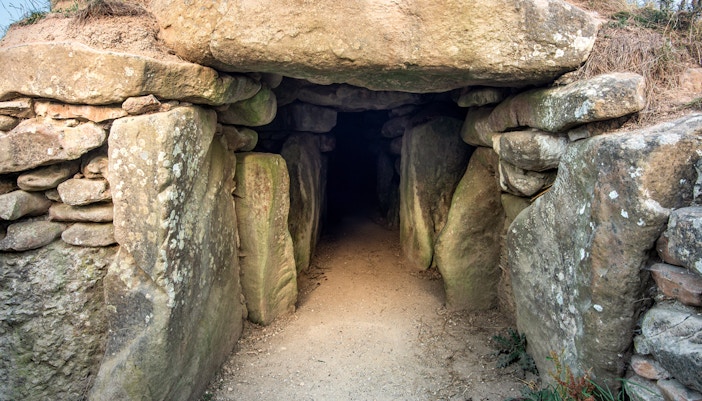
Walking route: The 2.4 km pedestrian path passes ancient burial mounds and offers a scenic alternative to the shuttle.
Where to see artefacts: Original tools, pottery, and human remains are only at the Visitor Centre; the stone circle has no museum-style displays.
Audio tour prep: Download the English Heritage audio tour app before your visit, as mobile signals on site may be unreliable.
Temporary exhibitions: Special displays rotate throughout the year. Check the English Heritage website before your visit for current exhibitions.
Café timing: The café stops serving food 30 minutes before closing. Plan meals accordingly if your visit is later in the day.
Pushchair advice: Foldable pushchairs are allowed, but uneven terrain near the stones makes walking with infants easier than pushing a stroller.
Frequently asked questions about the Stonehenge visitor centre
Entry to the Stonehenge Visitor Centre requires a ticket. Some exhibitions and facilities are included with your Stonehenge admission pass.
No, your main Stonehenge admission ticket includes access to the visitor centre galleries, outdoor reconstructions, shuttle, and all facilities.
The pedestrian path from the Visitor Centre to Stonehenge is about 2.4 kilometres, taking roughly 30 to 40 minutes at a normal pace.
Yes, the exhibitions and Neolithic houses are open all day, and you're encouraged to explore them before your entry time for the stone circle.
Yes, English Heritage staff and volunteers often share deeper context, current research, and recent archaeological updates at the information desk or Neolithic houses.
Early morning and late afternoon tend to be quieter. Midday sees peak footfall, especially during weekends and school holidays.
Set aside at least 45-60 minutes to enjoy the exhibitions, houses, café, and shop. Rushing through reduces the value of the indoor experience.
While rare, if accompanying someone not entering the monument field, you can remain at the centre, but full admission is still required.