Skip to main content‌

Stonehenge timings and best time to visit

Stonehenge seasonal timings for 2026

Season/MonthOpening timeClosing timeNotes

Mar 16–Sep 6

9:30am

7pm

Longer daylight supports later visits, but this is also the busiest period for London day trips, weekends, and school vacations.

Sep 7–Mar 15

9:30am

5pm

Shorter daylight reduces late-afternoon flexibility, so build in buffer time for the return shuttle or walk back to the visitor centre.

Timing notes & visitor warnings

  • Timed entry secures your slot, but it doesn’t eliminate shuttle waits when summer weekends and bank holidays get busy.
  • The visitor centre sits away from the stones, and the return walk takes about 50–80 minutes total.
  • Final shuttles leave before full site close, so head back with buffer rather than squeezing every last minute.
  • Multi-stop London day trips save planning time, but they can shorten your usable monument time once transfers are counted.
  • Inner Circle tours run outside regular hours on limited dates, and they usually sell out first.
Official timetable & further info

Stonehenge hours can change for seasonal daylight, maintenance, and special event management. Always confirm the current opening window and your booked slot with English Heritage before leaving for Salisbury Plain.

Best time to visit Stonehenge

Spring

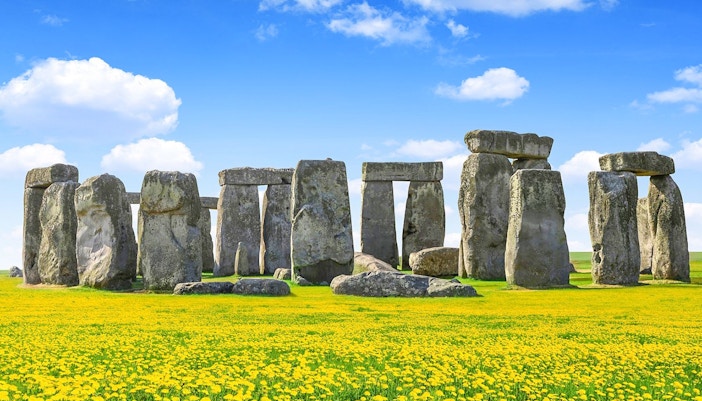
  • Pros: Greener landscape, more breathing room than midsummer, and longer daylight as the season moves on.
  • Cons: Weather shifts quickly across the exposed plain, and Easter or bank-holiday dates can still feel busy.

Summer

  • Pros: Longest days, simplest conditions for walking from the visitor centre, and the broadest choice of London departures.
  • Cons: This is the busiest period, with fuller shuttles, more coach arrivals, and tighter demand for premium access.

Autumn

  • Pros: Softer light, lower demand after school vacations, and a calmer perimeter path on many weekdays.
  • Cons: Closing times shorten, and wind or rain can make the open site feel more exposed.

Winter

  • Pros: The quietest overall atmosphere, easier photos on many days, and strong value if crowds matter most.
  • Cons: Short daylight hours, colder conditions, and wetter ground make walking less appealing.
  • Monday–Thursday: Usually easier for a slower loop around the monument and visitor centre, especially outside school vacations. You’ll still want to prebook in spring and summer, but timed slots often feel less pressured than weekends.
  • Friday–Sunday and bank holidays: Best if your schedule is fixed, but expect heavier leisure demand, fuller parking, and busier shuttle flow. Choosing the first slot or a later-afternoon slot usually gives you a calmer rhythm.
  • First slot after opening: Best if you want a quieter approach, lighter shuttle pressure, and more time to see the exhibition before leaving. It also gives you a larger recovery buffer if you’re walking to and from the stones.
  • Midday: Most convenient for London day-trippers, but often the busiest part of the day because coach arrivals and independent visitors overlap. Choose this window if convenience matters more to you than a quieter monument circuit.
  • Late afternoon: Often better for softer light and a less hectic feel once earlier arrivals begin leaving. Just keep an eye on closing time so you still have room for the return shuttle or walk back.

Special events & impact on entry

EventDayTimeImpact

Summer Solstice

June 20 – 21 (Annual)

Evening of June 20 to approx. 8:30am on June 21

Standard timed-entry tickets are suspended. Managed Open Access opens the stone circle directly to the public. Regular daytime tourism opens later in the morning.

Winter Solstice

Dec 21 – 22 (Annual)

Dawn to mid-morning

Normal entry is delayed. English Heritage offers free early-morning Managed Open Access before resuming regular ticketed operations.

Spring & Autumn Equinoxes

March 20 & Sept 22/23 (Annual)

First light (approx. 6am) to 8:30am

Temporary Managed Open Access for sunrise celebrations. Normal paid admissions begin shortly after the access window closes.

Stone Circle experience

Daily (Outside normal hours)

Dawn or dusk (Outside 9:30am – 5pm/7pm)

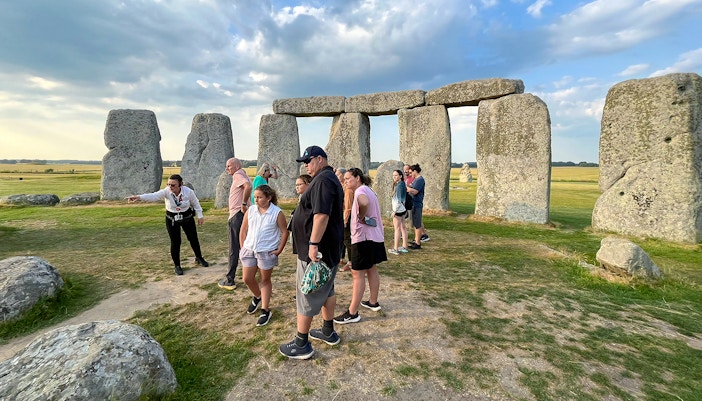
Outside normal public hours, small private groups can walk inside the inner stone circle; regular tourists cannot attend without special advance booking.

Weather at Stonehenge

Spring (March – May)

  • Avg. temp: 8°C to 15°C
  • Crowd levels: Moderate

Spring brings milder temperatures, blooming landscapes, and moderate foot traffic, making it ideal for walking around the outdoor grounds.

Summer (June – August)

  • Avg. temp: 14°C to 22°C
  • Crowd levels: High

The warmest and driest months offer long daylight hours, but expect peak tourist crowds and long queues, especially around the Summer Solstice.

Autumn (September – November)

  • Avg. temp: 9°C to 18°C
  • Crowd levels: Moderate to Low

Crisp weather and declining visitor numbers make autumn a great time for photography, though rainfall increases as the season progresses.

Winter (December – February)

  • Avg. temp: 2°C to 7°C
  • Crowd levels: Low

Cold, windy conditions on the open plain keep crowds thin. Be sure to dress warmly, as the exposed location can feel much colder than the forecast suggests.

How long should I spend at Stonehenge?

With 2 hours

You can see the stone circle from the perimeter path, use the shuttle both ways, and spend a short time in the exhibition. This works if Stonehenge is one stop on a packed day, but it leaves little room for the Neolithic houses, café, or a slower walk-in approach.

With 4 hours

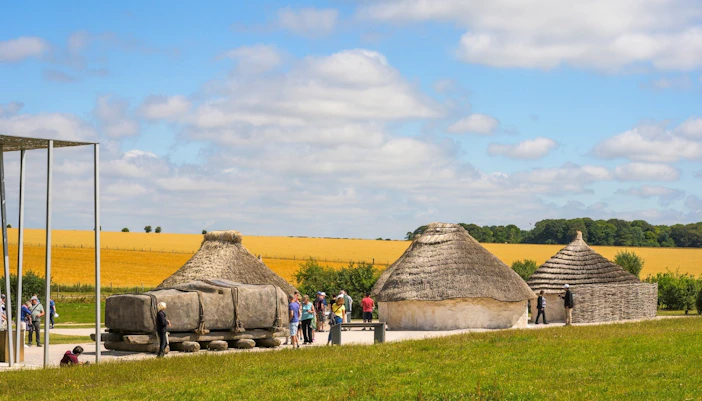
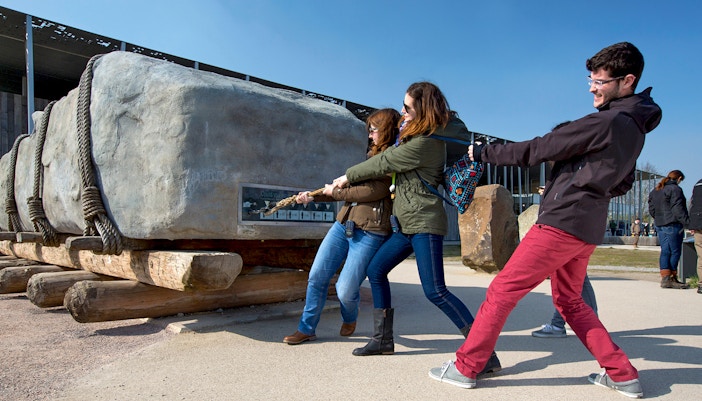
This is the sweet spot for most independent visitors. You can explore the exhibition, see the Neolithic houses, take the shuttle one way and walk the other, and spend unhurried time at the monument. It also leaves room for breaks without rushing the return before closing.

With 6+ hours/full day

Choose this if Stonehenge is the main event or you’re pairing standard admission with a premium format like an Inner Circle tour. You’ll have time for the full visitor centre, a landscape walk both ways, longer photography stops, and a more relaxed pace that doesn’t make the transfer back feel like a deadline.

Timing tips for tickets, entry, and London travel

Stonehenge isn’t a quick pull-up attraction. Your timed slot gets you into a multi-stage visit: arrival at the visitor centre, time for the exhibition if you want it, then a shuttle or a walk out across the landscape before you actually reach the stones.

Don’t leave your arrival too late

A late slot can make Stonehenge feel more rushed than it should. Try to be on-site at least 2 hours before closing, so you still have enough time for the visitor centre, the transfer out to the stones, the monument path, and the return without watching the clock.

Choose your London trip style carefully

If Stonehenge is the main reason you’re going, a direct option like the half-day tour gives you a cleaner day structure than a multi-stop itinerary. Combo tours can be efficient, but they usually give you less control over how relaxed your Stonehenge stop feels.

Know that combo tours change your usable time

Experiences such as the Stonehenge, Windsor & Oxford tour or the Stonehenge, Windsor Castle & Bath tour are great if you want breadth in a single day. Just remember that Stonehenge becomes one stop in a bigger schedule, not the whole day’s focus.

Special-access timing is a real upgrade

If your priority is a quieter, more distinctive visit, the Inner Circle tour is the clearest timing-based upgrade. These sessions run outside regular visiting hours on select dates, which changes the feel of the site more than a standard timed ticket does.

Recheck the details before leaving London

This matters more at Stonehenge than at a city museum. Reconfirm your timed slot, the day’s opening hours, and whether your ticket is direct-entry or part of a coach itinerary, because the visitor centre-to-monument transfer adds planning time you can’t ignore.

Best light for photos

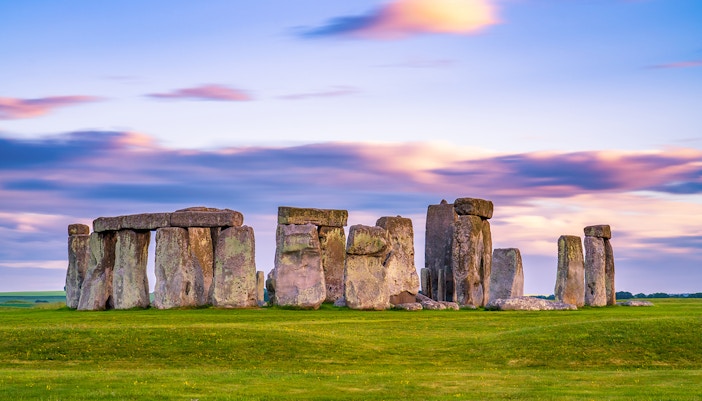
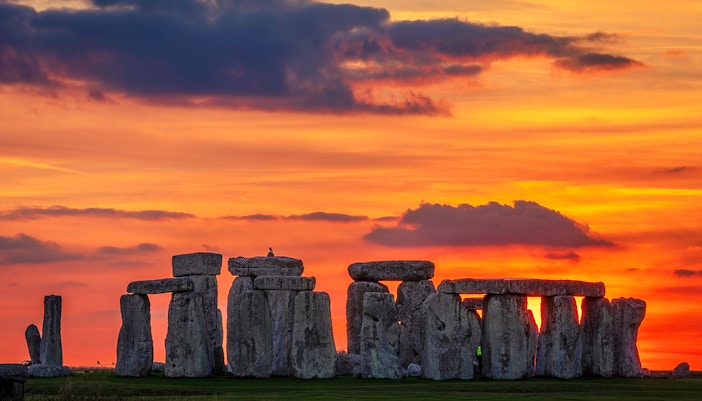
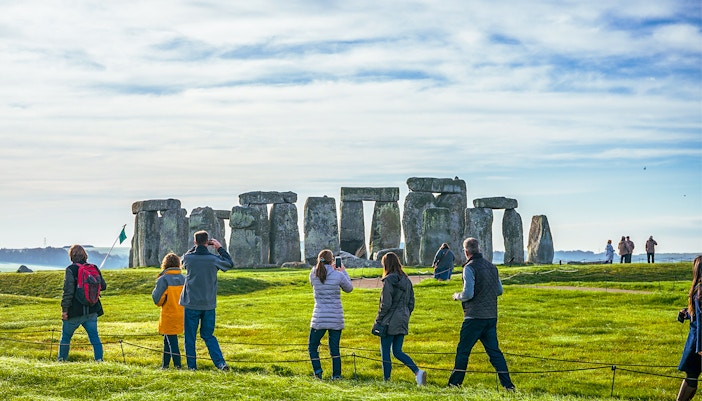
Sunrise and sunset provide soft, golden lighting perfect for capturing Stonehenge’s structure and surroundings. Mornings offer fewer visitors, while late afternoons give dramatic skies and long shadows for impactful photographs.

Frequently asked questions about Stonehenge timings

Yes. Stonehenge operates year-round on timed entry, but daily opening hours change with the season and special-event planning. If you want a specific slot, especially on a weekend, booking ahead is the safest move.