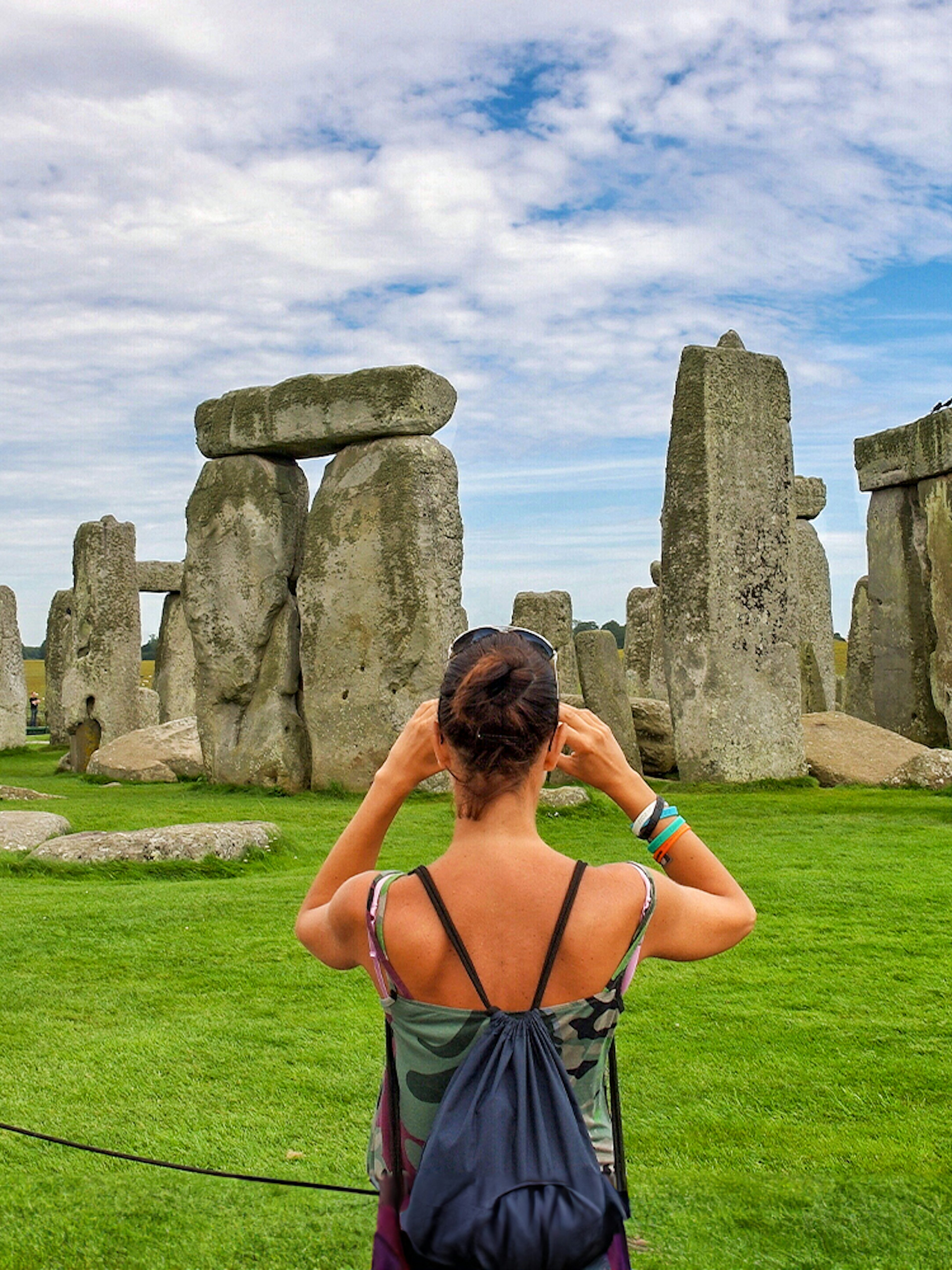
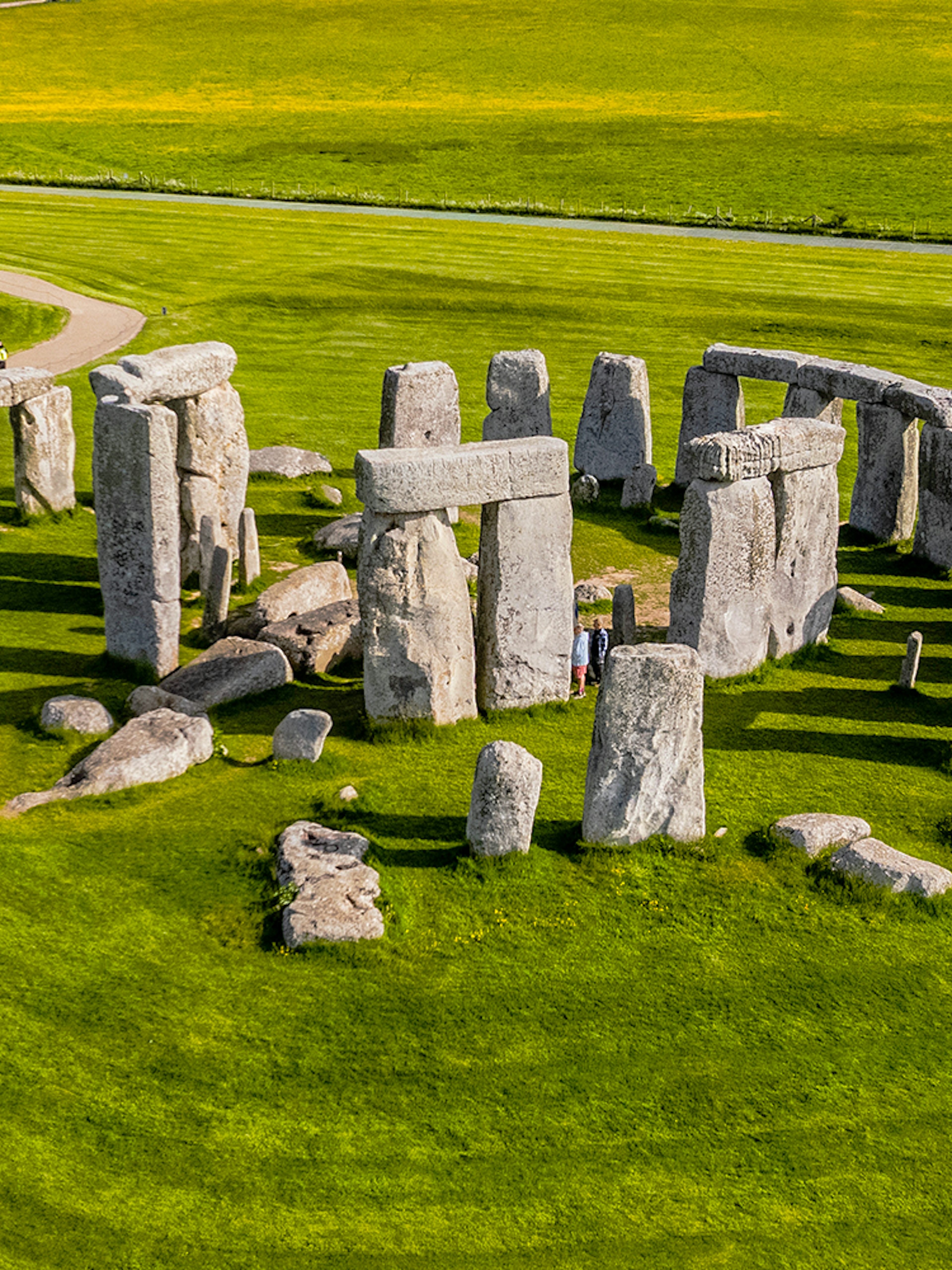
Why combine Stonehenge and Salisbury?

Layered history
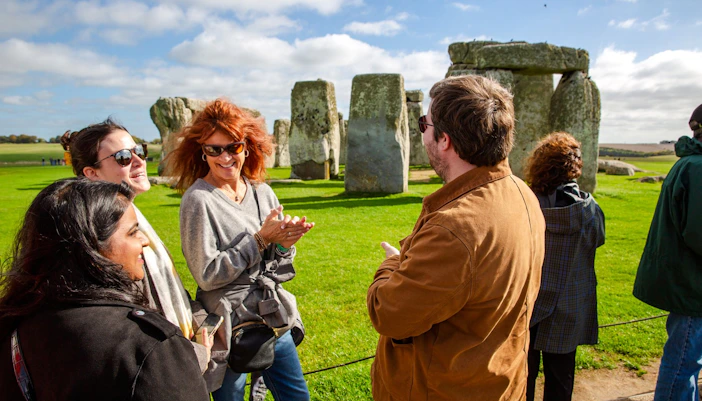
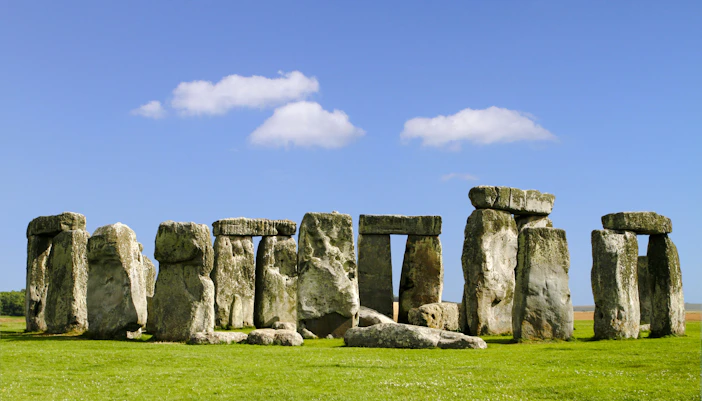
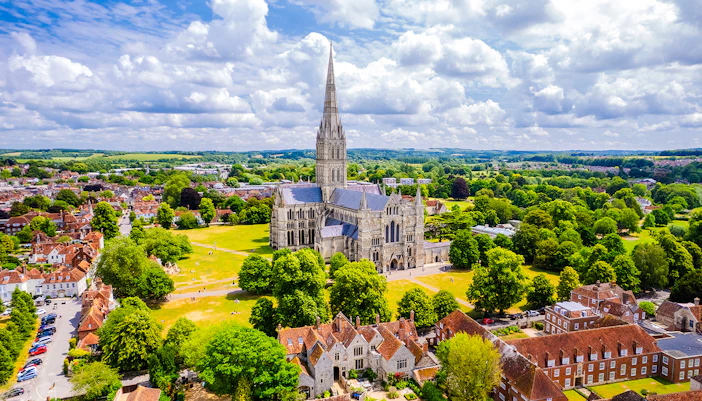
Stonehenge explains prehistoric ritual and engineering, while Salisbury adds medieval England through its cathedral and Magna Carta. Together, the day feels layered rather than repetitive.

Better value

Taking one guided trip from London is usually cheaper than arranging rail tickets, local buses, Stonehenge admission, and separate Salisbury sightseeing for the same day.

Easier logistics

Stonehenge has no direct rail station, and Salisbury works best as the transport hub. A combo removes transfers, parking choices, and timed-entry guesswork for most visitors.

Smarter pacing

Most classic itineraries visit Stonehenge first, then Salisbury, so you see the open monument before coach traffic peaks and end with a walkable historic center.

The best ways to explore both

AspectSeparate ticketsCombo tours

Cost

Stonehenge from £28, plus London–Salisbury rail, shuttle, and any cathedral admission.

Usually from about £95 with coach transport; often better value once transfers are counted.

Availability

You must secure Stonehenge timed entry and coordinate onward travel yourself.

One booking usually locks transport and monument entry together.

Timeslots

Easy to mis-time trains, shuttles, and your Salisbury stop.

Fixed sequencing reduces missed connections and dead time.

Convenience

Multiple tickets, apps, stations, and service points to manage.

One confirmation, one departure point, and simpler day planning.

Flexibility

More freedom to linger in Salisbury or add lunch breaks.

Less spontaneous, but much easier from London.

Best for

Visitors building a slower, self-paced Wiltshire day.

Visitors who want round-trip logistics handled in one purchase.

Making the most of your experience

  • Plan the day: From London, allow about 10–11 hours total, with roughly 60–90 minutes at Stonehenge and 45–60 minutes in Salisbury before the coach returns.
  • Choose upgrades: If available, guided commentary, multilingual options, or smaller-group departures make transitions smoother; inner circle access is a separate premium experience and isn’t standard on Salisbury combos.
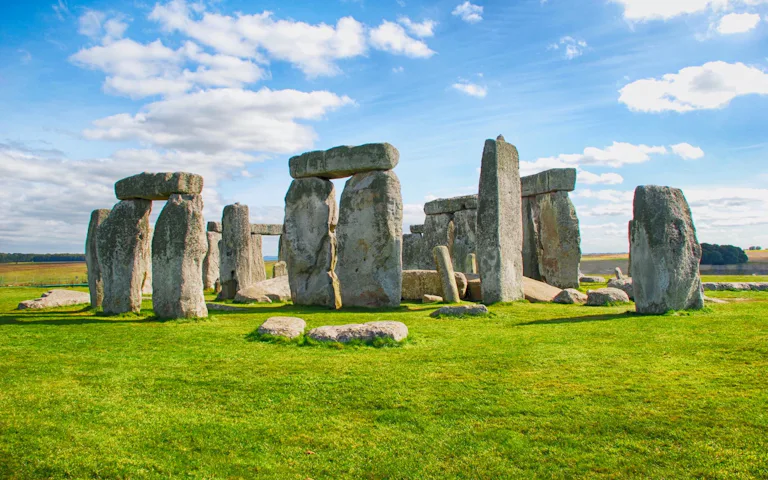
  • Know the highlights: Stonehenge covers the stone circle and visitor center; Salisbury usually centers on the cathedral close, Magna Carta, and a short walk through the medieval core.

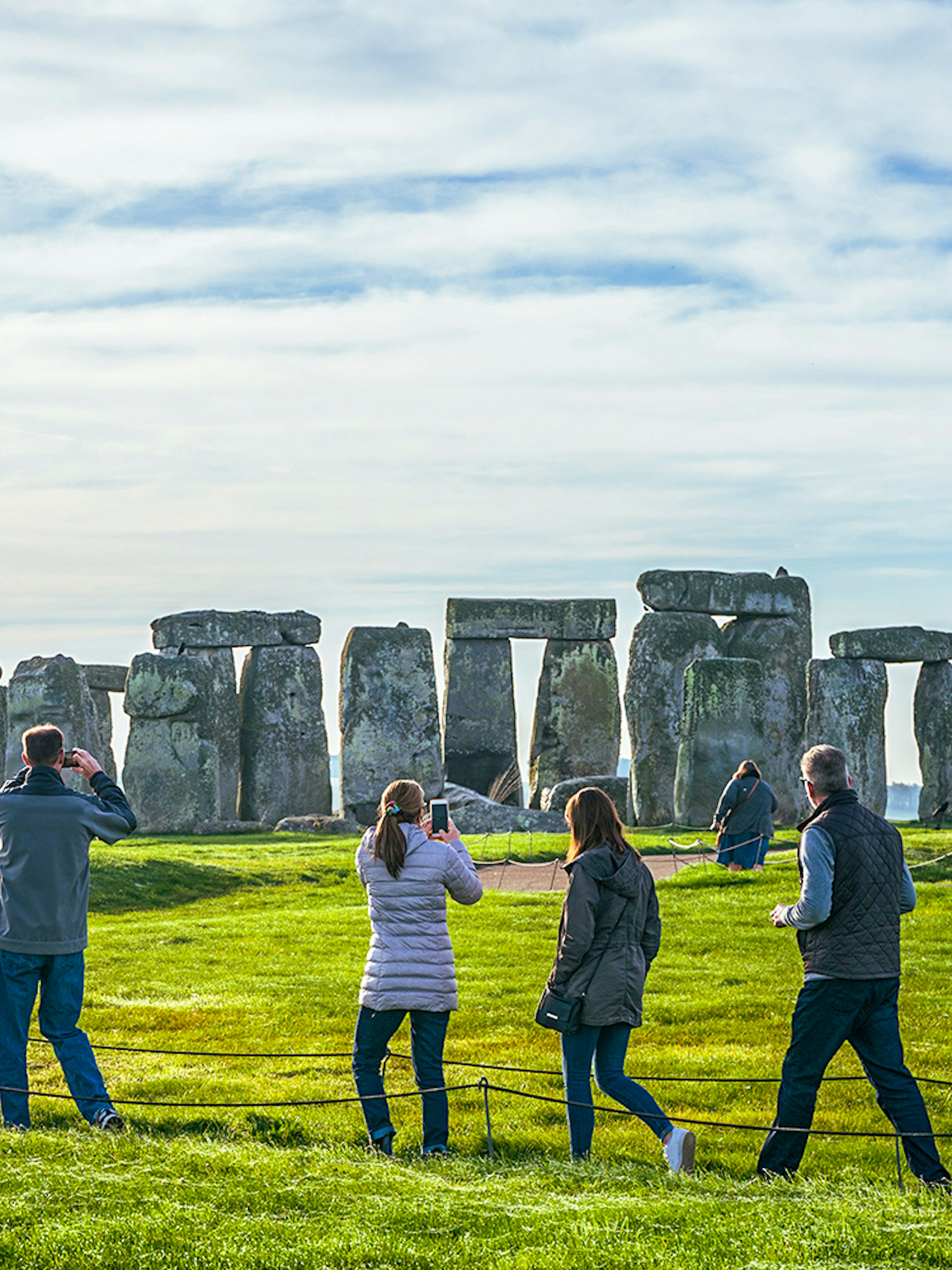
Stonehenge: Stonehenge usually opens from 9:30am, with later closing in summer; combo tours typically spend 60–90 minutes on site, including the visitor center and exhibition.

Salisbury: Most day trips allow 45–60 minutes in Salisbury, usually focused on Cathedral Close, the Magna Carta display, and a short town walk rather than deep sightseeing.

Start at Stonehenge: Seeing the monument first works better because coach arrivals stack up through late morning, while Salisbury is more relaxed as a second stop.

Best timing: Pick spring or early fall for longer daylight and easier pacing. In midsummer, early departures help you reach Stonehenge before the busiest midday window.

Stonehenge: Stonehenge Visitor Centre, Salisbury SP4 7DE, United Kingdom | Find on Maps

Salisbury: Salisbury Cathedral, 6 The Close, Salisbury SP1 2EJ, United Kingdom | Find on Maps

Location: Both stops sit in Wiltshire, west of London. Salisbury is the practical town base for Stonehenge and the usual transport hub for independent visitors.

Rail: Salisbury is the nearest train hub from London Waterloo; there is no direct rail station at Stonehenge.

Bus: The Stonehenge Tour bus links Salisbury rail station and Stonehenge in about 30 minutes.

Car/taxi: Stonehenge to Salisbury usually takes 20–25 minutes in normal traffic.

Walk: Not practical — the two stops are about 9 miles apart.

Parking: Stonehenge Visitor Centre parking is the easier option. Central Salisbury parking is paid and tighter near the cathedral close, so combo tours are usually simpler than driving.

Stonehenge: The visitor center, shuttle buses, and main route are wheelchair accessible, and assistance dogs are allowed.

Salisbury: The cathedral close is easier than older town lanes, though some historic surfaces can still feel uneven.

Wheelchair rental: Not typically included on day trips.

Sensory comfort: Stonehenge is open-air and quieter outside peak hours, while Salisbury offers calmer indoor spaces after the monument stop.

Service animals: Generally accepted at Stonehenge and commonly accommodated in major heritage spaces.

  • Pick a cathedral-focused itinerary: Some Salisbury stops are brief, so choose a tour that explicitly includes cathedral or Magna Carta time.
  • Do Stonehenge first: The monument feels calmer before the biggest coach wave, while Salisbury works well once you’re ready for a slower walk.
  • Look for Old Sarum add-ons: If included, it explains Salisbury’s wider landscape story better than a town stop alone.
  • Photograph from the outer circuit: Side light defines the stones better than flat noon light, especially in spring and early fall.
  • Keep bags compact: Coach loading and Stonehenge security move faster with a small day bag than bulky luggage.
  • Use Salisbury for recovery time: After Stonehenge’s wind exposure, the cathedral close gives you a quieter, more sheltered second half.
  • Watch Sunday flow: If your Salisbury stop depends on cathedral visiting hours, service times can affect how much sightseeing you actually get.

Frequently asked questions about Stonehenge and Salisbury tours

You can visit them separately, but a combo is easier from London because Stonehenge has awkward public transport and Salisbury fits naturally before or after the monument.

More reads