Stonehenge

Stonehenge solstice: Complete guide to summer & winter solstices

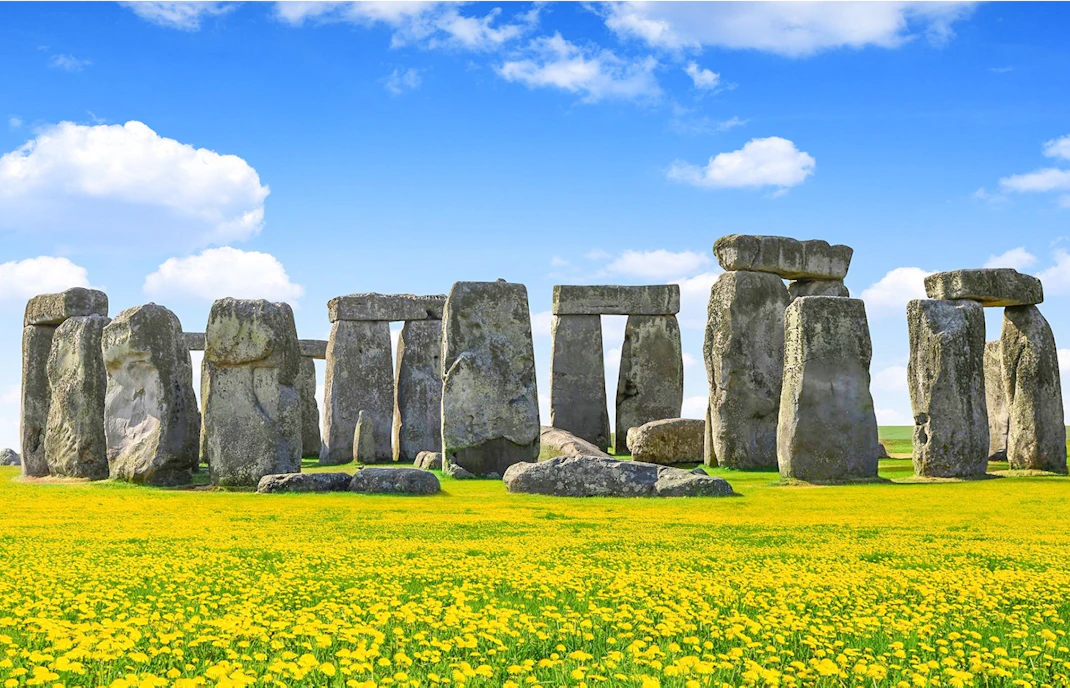
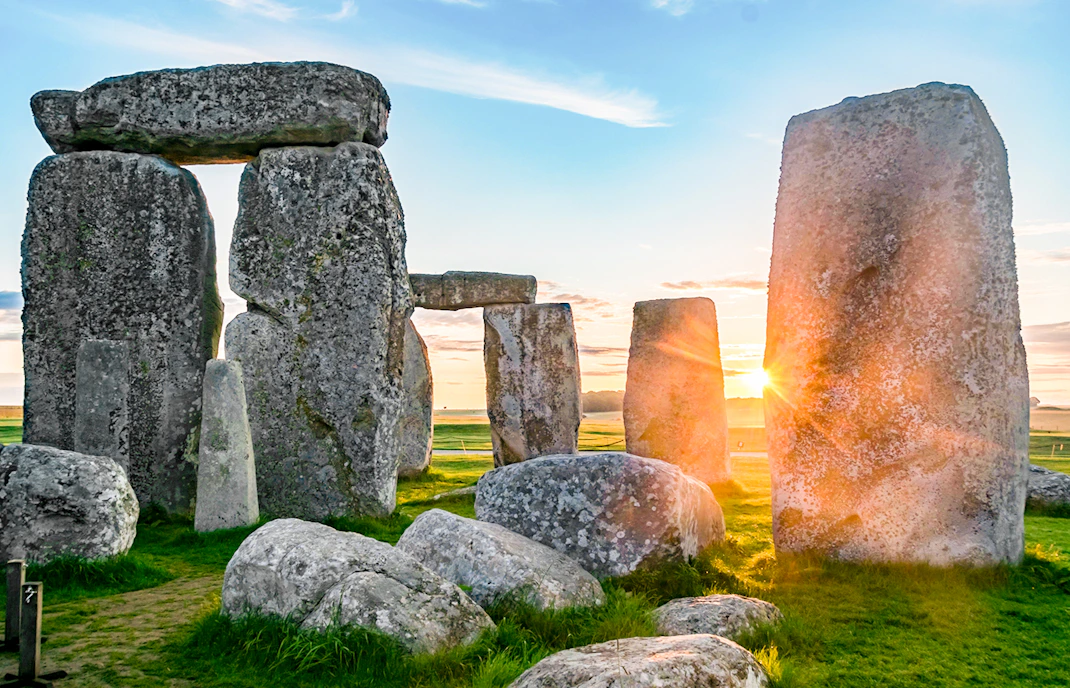
The Stonehenge solstice marks two pivotal astronomical moments each year: the longest and shortest days. Built by Neolithic communities to track solar movements, the monument’s central axis aligns precisely with the Stonehenge solstice sunrise at midsummer and the setting sun at midwinter. Today, these seasonal turning points draw visitors worldwide, from modern Druids and Pagans to curious travellers, offering rare open access inside the prehistoric circle.

The ancient solstice alignment & Neolithic intention

Archaeological evidence shows that Stonehenge was deliberately designed around the solar cycle. The monument's central axis tracks the sun's extreme paths, serving as a ceremonial calendar for ancient farming communities.

Comparing summer & winter solstices at Stonehenge

FeatureStonehenge Summer SolsticeStonehenge Winter Solstice

Primary focal point

Midsummer sunrise (~4:52am GMT)

Midwinter sunrise (~8:10am GMT)

Astronomical theme

Maximum light & peak daylight

Solar rebirth & return of longer days

Atmosphere & tone

Stonehenge summer solstice festival feel: energetic, festive, with drumming and chanting

Quiet, reflective, and contemplative

Crowd size

Large-scale gathering (20,000–25,000 people)

Smaller, intimate crowds with more space inside the circle

2026 dates

Sunday, 21 June 2026

Monday, 21 December 2026

What to expect during solstice open access
Placeholder Image Headout Blimp
1/3

Rare access

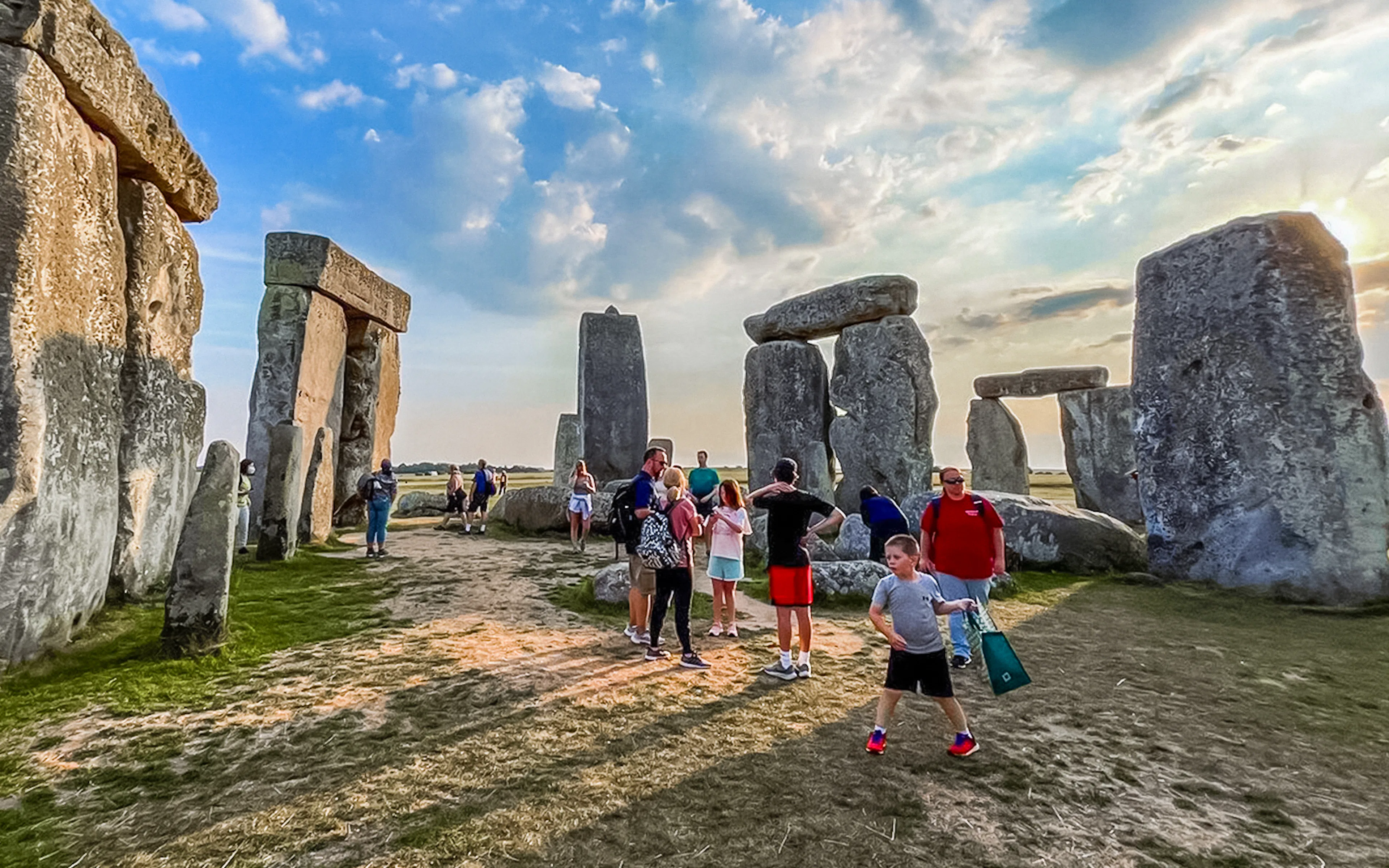
During both solstices, English Heritage provides managed access to Stonehenge summer solstice and winter solstice gatherings. This rare opportunity allows the public to walk directly among the megaliths.

Sunrise alignment & spiritual rituals

Visitors gather pre-dawn on Salisbury Plain. Modern Druids, Pagans, and spiritual groups lead celebrations featuring chants, blessings, and music. As daylight breaks, cheering and applause ripple through the field.

Open access inside the circle

Outside of solstice events, visitors view the stones from a perimeter path. During the Stonehenge winter solstice celebration and summer gathering, you can stand within the inner circle for several hours around dawn.

Visitor guide: Planning your visit

  • Do you need Stonehenge solstice tickets? No. Standard entry is free for both midsummer and midwinter solstice dawn gatherings. You do not need Stonehenge summer solstice tickets or Stonehenge winter solstice tickets for public sunrise access.
  • Tours: If you prefer managed travel, booking a Stonehenge summer solstice tour or organised transfer simplifies early morning transportation.
  • Arrival: Reach the site 1–2 hours before dawn (1am–2:30am for summer; by 6:30am–7am for winter) to clear security and walk to the field.
  • Transport: Driving is the most flexible option. Designated solstice car parks open early with shuttle buses to the stones. Public transit is limited during pre-dawn hours.
  • Positioning: Stand slightly to one side of the central northeast axis toward the Heel Stone to secure an unobstructed view above the crowd.
  • Dress for the elements: Pre-dawn temperatures on Salisbury Plain are cold year-round. Wear thermal layers, waterproof gear, and sturdy footwear for uneven turf.
  • Bring essentials: Pack a small headlamp or torch for navigating dark fields, along with water and light snacks, as vendor access is minimal before dawn.
  • Stay late: Many visitors leave immediately after sunrise. Remaining in the field allows you to experience the circle as crowds thin.

Nearby attractions & solstice alternatives

If you are visiting Stonehenge on summer solstice or midwinter, consider exploring these historic sites nearby:

Frequently asked questions about the Stonehenge solstice

The Stonehenge solstice refers to the annual summer and winter astronomical events when the sun aligns with the prehistoric monument's axis, celebrating the longest and shortest days of the year.