Stonehenge accessibility guide | Facilities, paths and visitor support
Visitors of all abilities can enjoy Stonehenge with thoughtful accessibility features across the site. Step free facilities, accessible transport, and supportive staff help make the monument welcoming for everyone. From wheelchair friendly paths to accessible shuttles and quiet spaces, the site is designed to ensure visitors can explore the landscape, visitor centre, and views of the stones comfortably.
Accessible shuttle service: Wheelchair friendly transport to stone circle.
Wheelchair friendly paths: Paved routes across most visitor areas.
Accessible toilets available: Spacious facilities with grab rails.
Accessible parking spaces: Designated bays near visitor centre.
Assistance dogs welcome: Service animals allowed throughout the site.
Wheelchairs available onsite: Borrow equipment at visitor centre.
Rest areas and seating: Benches available across visitor areas.
Getting to Stonehenge with accessibility needs
Accessible public transport
Visitors travelling by train or bus can reach Stonehenge through Salisbury, where accessible buses and taxis provide onward transport. Many buses include low floor entry, ramps, and priority seating for passengers who need additional assistance.
Accessible parking
Designated accessible parking spaces are available near the visitor centre for visitors with valid permits. These spaces reduce walking distance and provide safe access to the entrance and main facilities.
Visitor drop off area
A dedicated drop off point near the visitor centre entrance allows passengers with limited mobility to exit vehicles conveniently before parking. Staff can assist if needed.
Accessible shuttle to the monument
Electric shuttle buses run regularly between the visitor centre and the stone circle. These buses are wheelchair accessible and help visitors avoid the longer walk across Salisbury Plain.
Smooth approach paths
Paved pathways connect parking areas, shuttle stops, and the visitor centre. These routes are suitable for wheelchairs, pushchairs, and mobility scooters.
Distance and terrain at Stonehenge
Distance to the stone circle: The stone circle is located about 1.5 miles or 2.4 kilometres from the visitor centre. Visitors can reach it by shuttle bus or by walking along the designated pathway.
Walking route conditions: The walking path between the visitor centre and the monument is mostly level but includes open landscape sections. Weather conditions can affect the ground, especially after rainfall.
Shuttle travel time: The accessible shuttle usually takes around 10 minutes to reach the stone circle from the visitor centre and runs regularly throughout the day.
Terrain near the monument: The main viewing route around the stones includes compact paths, but some surrounding areas are grassy and may feel uneven during wet weather.
Accessible facilities at the visitor centre
Step free building access
The visitor centre has wide entrances, ramps, and level flooring throughout the building. These features ensure smooth movement for visitors using wheelchairs, mobility aids, or pushchairs.
Wheelchair borrowing
A limited number of wheelchairs are available for visitors to borrow at the visitor centre. Availability operates on a first come, first served basis.
Accessible restrooms
Accessible toilets are available within the visitor centre. These facilities include spacious layouts, grab rails, and emergency alarm systems.
Café accessibility
The café offers accessible seating arrangements, including tables designed to accommodate wheelchairs comfortably. Counters are positioned to allow easier ordering.
Gift shop layout
The gift shop features wide aisles, step free entry, and lower display counters, allowing visitors using mobility aids to browse easily.
Seating and rest areas
Benches are placed around the visitor centre and grounds so visitors can pause and relax comfortably. Quiet areas are also available for visitors needing calm sensory breaks.
Accessibility near the Stone Circle
Viewing areas for mobility access
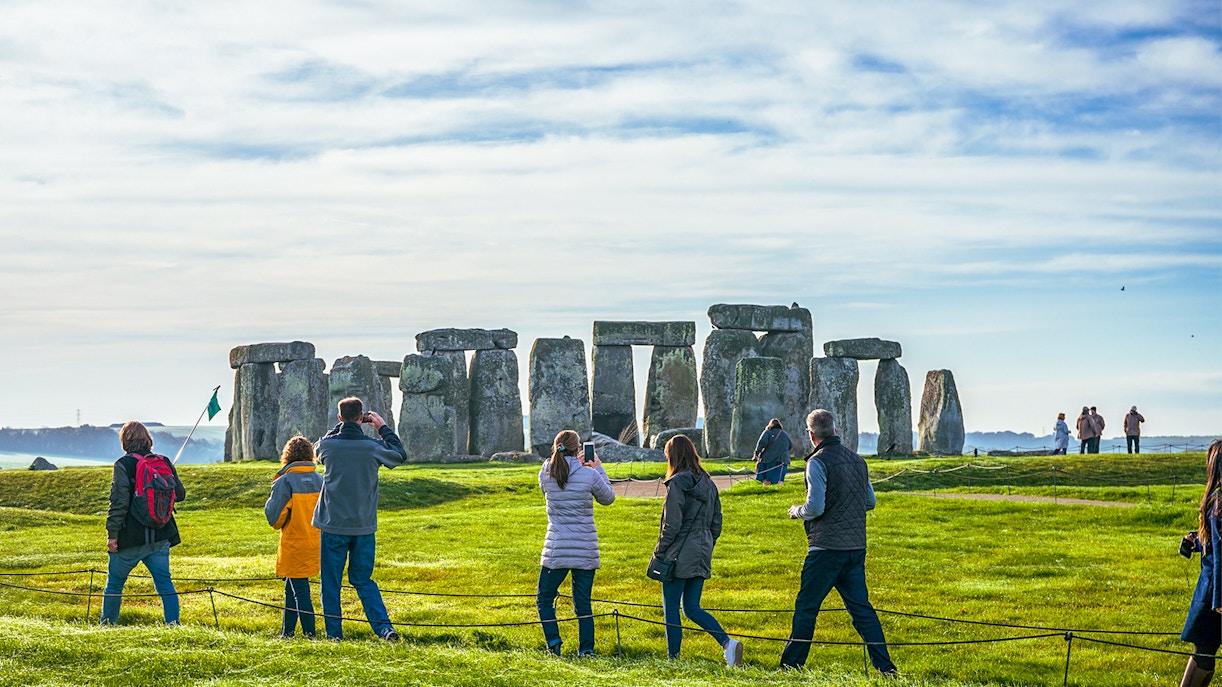
Designated viewing paths allow wheelchair users to approach the monument and enjoy clear views of the stones without navigating uneven terrain.
Path conditions
The main route around the monument includes firm pathways, though some sections nearby are grassy and may feel uneven after rain.
Seating near the monument
Benches are available near viewing areas, allowing visitors to pause while taking in views of the stones and surrounding landscape.
Assistance from staff
Staff members are present around the site and can provide guidance, directions, or assistance if visitors need help navigating the monument area.
Accessibility for different visitors
Smooth pathways: Most visitor routes use paved or compact surfaces that are suitable for wheelchairs, though grassy sections near the monument may be challenging after rainfall.
Equipment borrowing: Wheelchairs can be borrowed from the visitor centre when available. Visitors who rely on mobility aids may prefer bringing their own equipment.
Accessible monument viewing: Wheelchair friendly viewing routes allow visitors to see the stone circle clearly while remaining on stable pathways.
Staff assistance: Staff are available to provide guidance around the site and help visitors navigate accessible routes when needed.
Audio guides available: Audio guides provide descriptive commentary explaining the monument, landscape, and archaeological discoveries associated with Stonehenge.
Registered service dogs: Assistance dogs are welcome on-site.
Orientation assistance: Staff can help describe the layout of the site and guide visitors along pathways when additional support is required.
Tactile displays indoors: Some exhibits inside the visitor centre provide tactile elements that help explain prehistoric life and construction methods.
Written interpretation: Printed materials and display panels explain the monument’s history, archaeology, and cultural importance in clear written form.
Captioned video exhibits: Films shown in the visitor centre include captions so hearing impaired visitors can follow the full historical narrative.
Hearing loop systems: Hearing loops are installed in certain indoor areas to support visitors who use hearing aids.
Sign language tours: Special tours with sign language interpretation are available on request, ensuring all visitors can engage fully with the experience.
Pushchair access: Smooth paths and ramps make it easy to navigate with pushchairs. Family-friendly facilities support comfortable visits for all ages.
Changing facilities: Accessible baby-changing stations are available in visitor centres and toilets, making visits easier for families with young children.
Family rest areas: Benches and quiet corners provide space for feeding, resting, or regrouping during busy periods, ensuring a relaxed visit.
Clear signage: Clear, simple, and intuitive signage helps visitors understand directions and information easily throughout the site.
Quiet zones: Low-stimulation areas allow a calm environment for visitors needing a break or a less crowded experience.
Simplified guides: Plain-language guides are available, highlighting key features and history without overwhelming complex detail.
Support staff: Staff are trained to offer patient, helpful guidance to make visits smoother and more enjoyable.
Visitor tips
Use the shuttle to reach the monument: The stone circle sits about 2.4 km from the visitor centre. The accessible shuttle helps visitors avoid the longer walk across open terrain.
Check ground conditions before walking: Sections near the monument are grass rather than paved paths. After rain, surfaces can feel uneven or muddy, which may affect wheelchairs or pushchairs.
Bring your own mobility aid if possible: A limited number of wheelchairs are available onsite. Visitors who rely on mobility equipment may prefer bringing their own for comfort and reliability.
Allow extra time for the visit: Stonehenge is spread across a wide landscape. Planning additional time allows for shuttle travel, rest breaks, and a relaxed pace when moving around the site.
Ask staff about accessible viewing routes: Staff can direct visitors to the most stable paths and viewing areas near the monument, helping avoid uneven ground or crowded sections.
Choose quieter visiting times: Early morning or later afternoon visits usually mean fewer crowds, giving visitors more space to navigate pathways and viewing areas comfortably.
Frequently asked questions about Stonehenge accessibility
Wheelchair accessible paths lead close to the monument’s viewing areas, allowing visitors to see the stones clearly while remaining on stable surfaces.
Yes, the shuttle buses operating between the visitor centre and the stone circle are wheelchair accessible and designed to accommodate mobility aids.
Yes, registered assistance dogs are welcome throughout the site, including the visitor centre, shuttle buses, and monument viewing areas.
Mobility scooters are permitted on most visitor routes. Visitors may prefer bringing their own equipment due to limited onsite availability.
Yes, designated wheelchair-friendly paths and viewing platforms allow access near the stones, ensuring mobility-impaired visitors experience the site comfortably.
Yes, smooth paths around the visitor centre and shuttle areas make navigation with pushchairs easy and convenient.
The walking route is usually accessible year round, but heavy rain may make grassy sections near the monument more uneven.
Yes, accessible toilets are located in the visitor centre and are equipped with grab rails, spacious layouts, and emergency alarms.
Yes, dedicated accessible parking spots near the visitor centre are available with prior booking or on arrival for convenience.
Yes, designated platforms allow visitors of all abilities to enjoy excellent views of the Stone Circle safely and comfortably.
Carry essentials like mobility aids, water, snacks, and any medical items to support comfort and independence during your visit.